Nasal Polyps: Symptoms, Diagnosis and Treatment Options
Learn what nasal polyps are, how they affect breathing and smell, how clinicians diagnose them, and what medical or surgical treatments may be considered.
Read MoreNasal polyps are soft inflammatory growths that can contribute to persistent nasal blockage, discharge and reduced sense of smell. The decision about treatment depends on symptoms, examination findings, extent of inflammation and related conditions. Not every person with nasal polyps needs an operation.
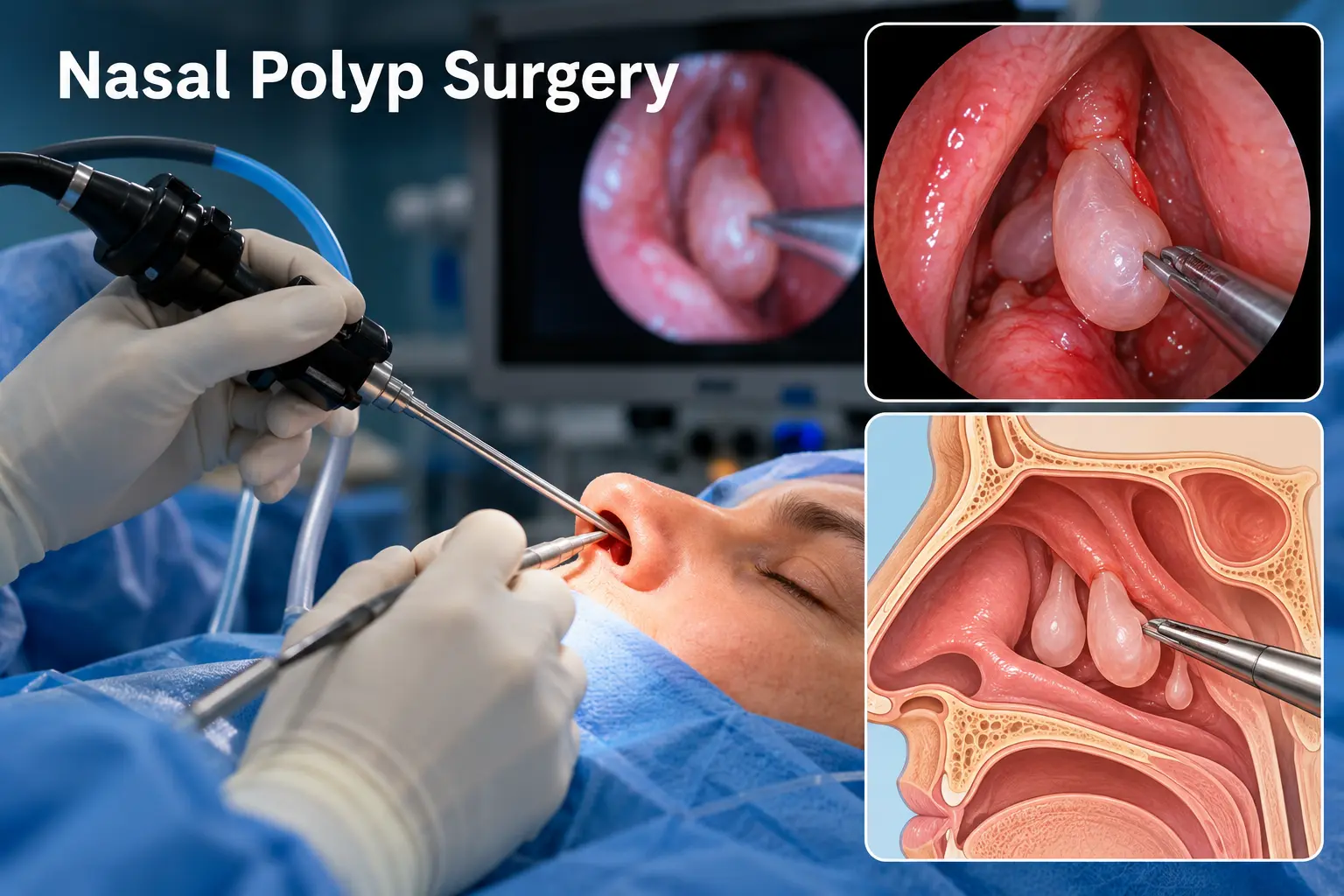
Management often begins with appropriate medical treatment and ongoing control of inflammation. If symptoms remain troublesome and examination or imaging shows disease that may benefit from surgery, an ENT specialist may discuss endoscopic removal and improved access to the sinus passages for continuing care.
The assessment reviews how much blockage and smell loss affect daily life, how long symptoms have been present and what treatments have already been tried. Nasal endoscopy can help assess the polyps and surrounding lining. Imaging may be used when clinically indicated, particularly when the extent of sinus disease or surgical planning needs clarification.
Asthma, allergy and sensitivity to aspirin or related medicines may be relevant to the overall management plan. These factors can influence the likelihood of ongoing inflammation and the need for follow-up after treatment.
Endoscopic surgery can remove polyps and improve access to the sinus cavities in selected patients. It may help relieve obstruction and make ongoing topical treatment more effective. However, surgery does not necessarily remove the underlying tendency to inflammation, and polyps can return. Long-term medical management and review may therefore remain important.
The decision should include discussion of non-surgical options, expected benefit for your symptoms, risks of the proposed operation and the follow-up plan. Read about the wider approach to chronic rhinosinusitis assessment and endoscopic sinus surgery.
Nasal polyp surgery may help selected patients, but it cannot guarantee that polyps will never return. A clear plan should include realistic goals and discussion of maintenance treatment.
This information is general and does not replace an individual medical assessment. The appropriate approach depends on examination findings and your medical history.
Patient Resources
Patient-friendly articles related to this service and common questions about assessment and care.
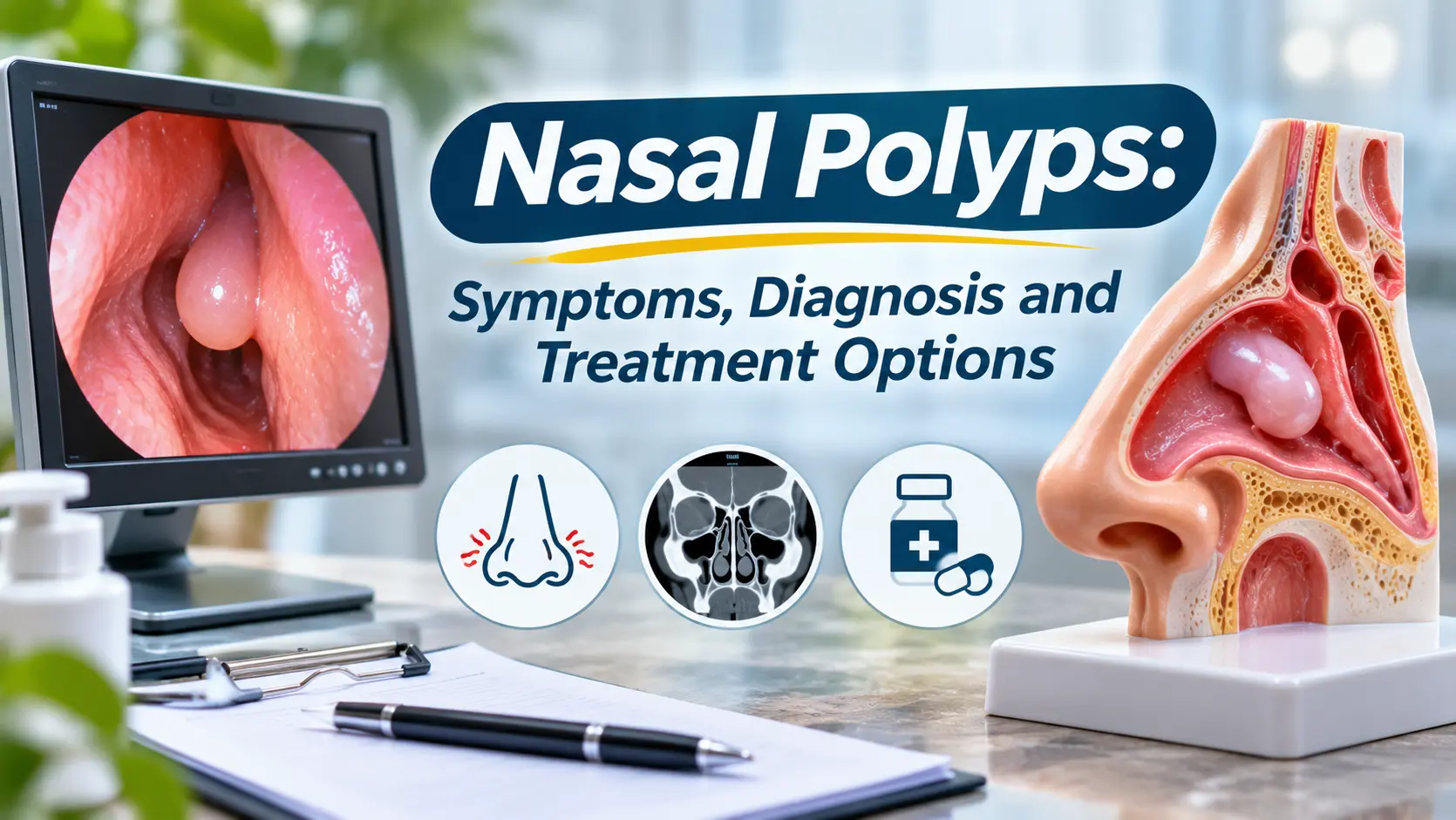
Learn what nasal polyps are, how they affect breathing and smell, how clinicians diagnose them, and what medical or surgical treatments may be considered.
Read More
Learn how upper- and lower-airway inflammation may be connected and why coordinated care can improve symptom control.
Read More