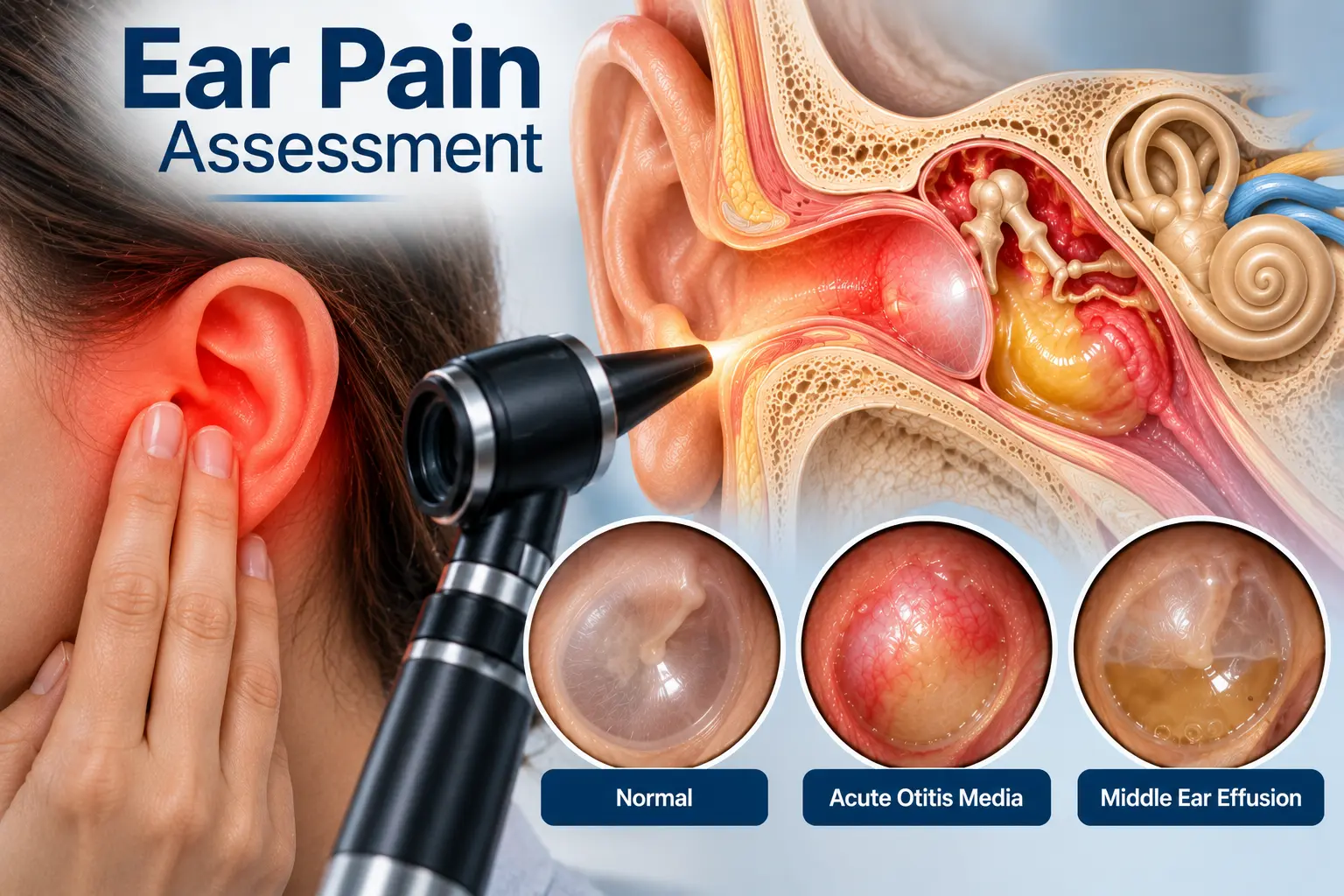
Jaw Joint Disorders and Ear Pain: How They Can Be Connected
Learn how temporomandibular disorders may cause pain near the ear, which habits can aggravate symptoms and when assessment is needed.
Read MoreThe assessment looks at whether pain is constant or intermittent, one-sided or both-sided, and whether it is linked to swallowing, chewing, hearing changes or discharge. Examination of the ear is paired with evaluation of nearby structures when the ear looks normal.
Treatment follows the underlying cause. This may mean treating an ear condition or arranging further dental, jaw, throat or other evaluation. The right approach cannot be chosen from pain location alone.
If ear pain persists despite a normal-looking ear, further assessment may be important, particularly if it is associated with swallowing difficulty, voice change or a neck lump.
This information is general and does not replace an individual medical assessment.
Patient Resources
Patient-friendly articles related to this service and common questions about assessment and care.
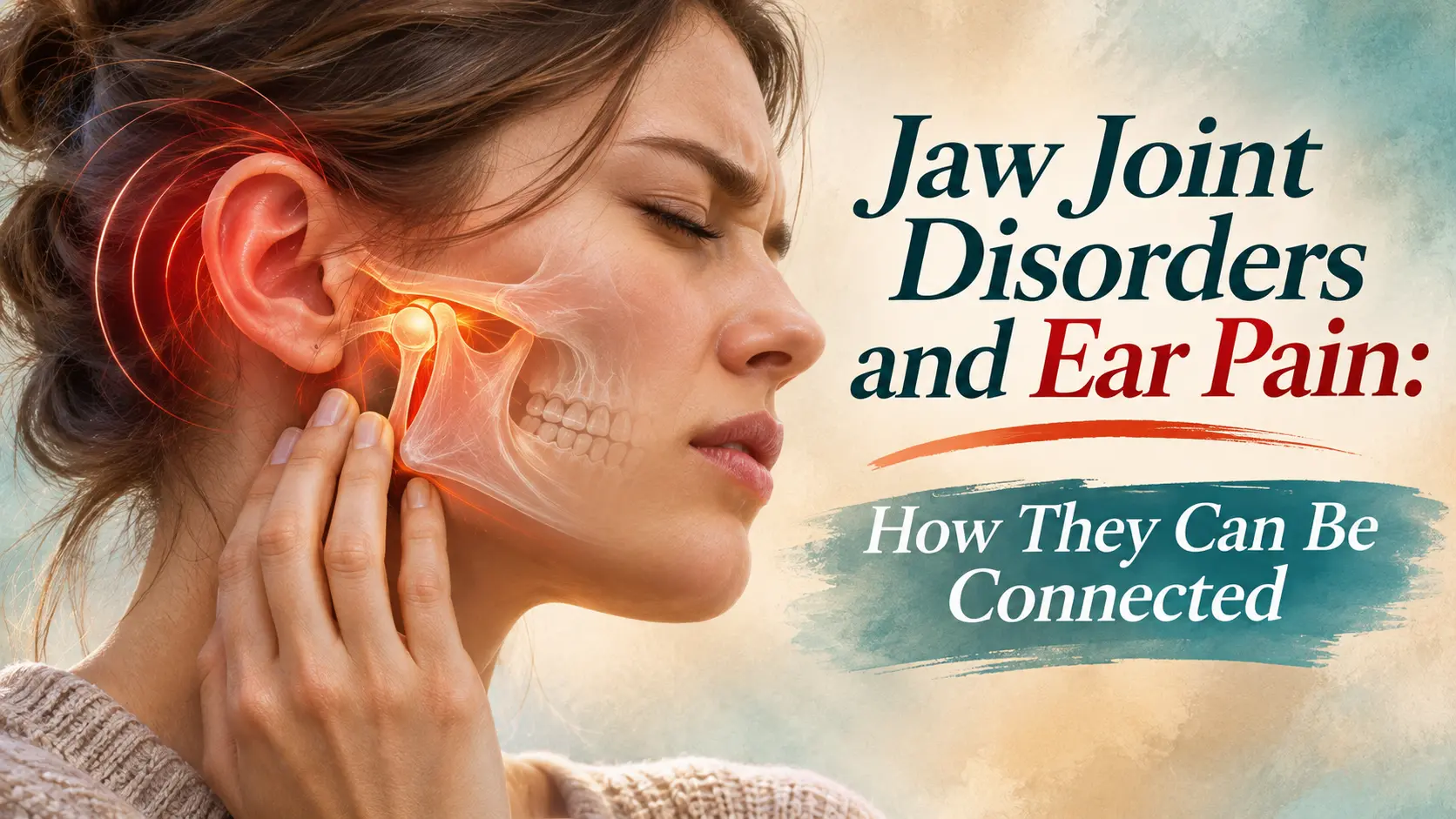
Learn how temporomandibular disorders may cause pain near the ear, which habits can aggravate symptoms and when assessment is needed.
Read More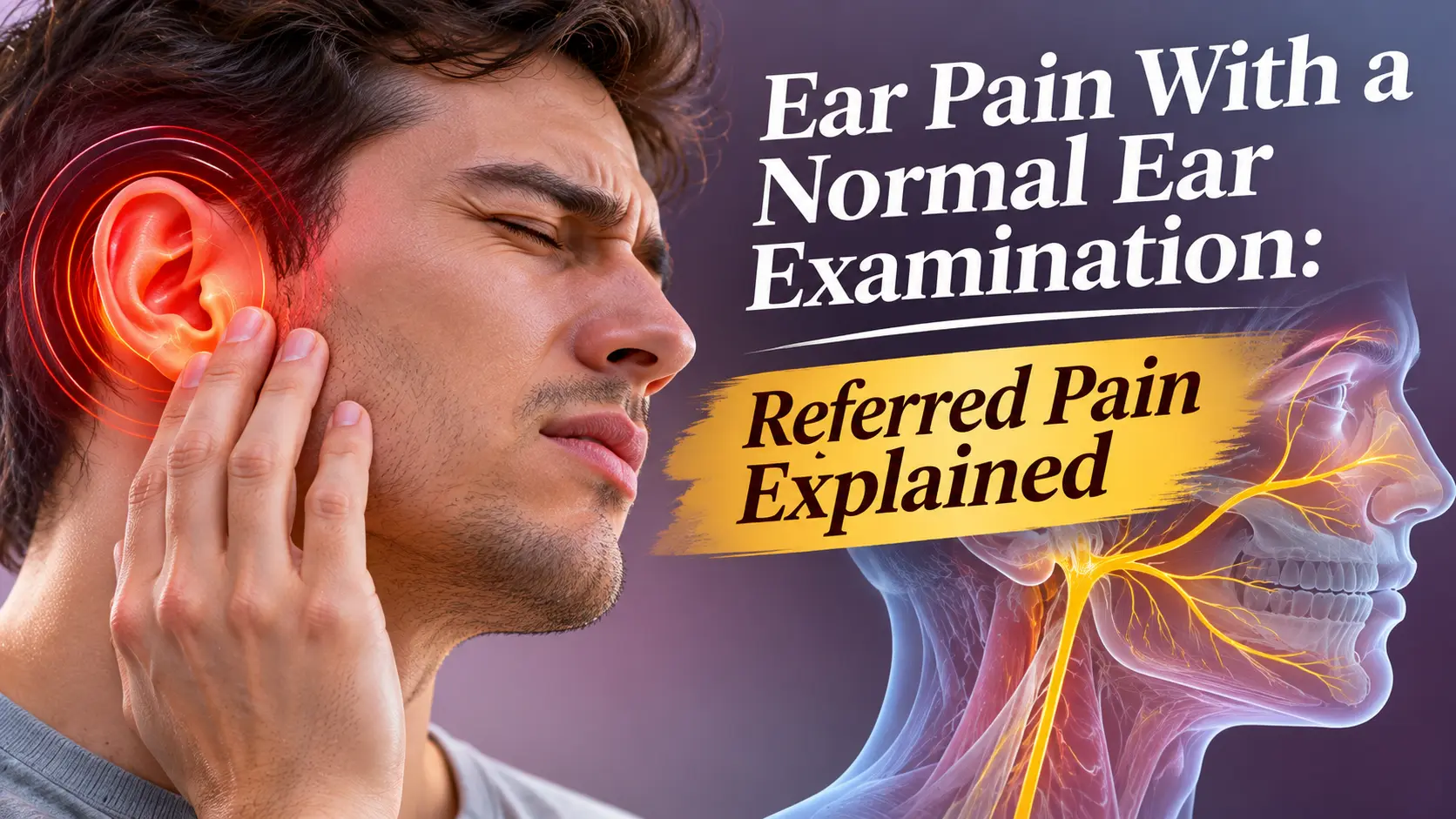
Learn why pain felt in the ear may come from the jaw, teeth, throat or neck, and which associated symptoms deserve further review.
Read More
Learn common causes of earache in children, safe comfort measures and which symptoms mean a child should be assessed promptly.
Read More