Your First ENT Appointment: How to Prepare and What to Expect
Prepare for an ear, nose and throat appointment with a simple symptom checklist, useful questions and an overview of common examinations.
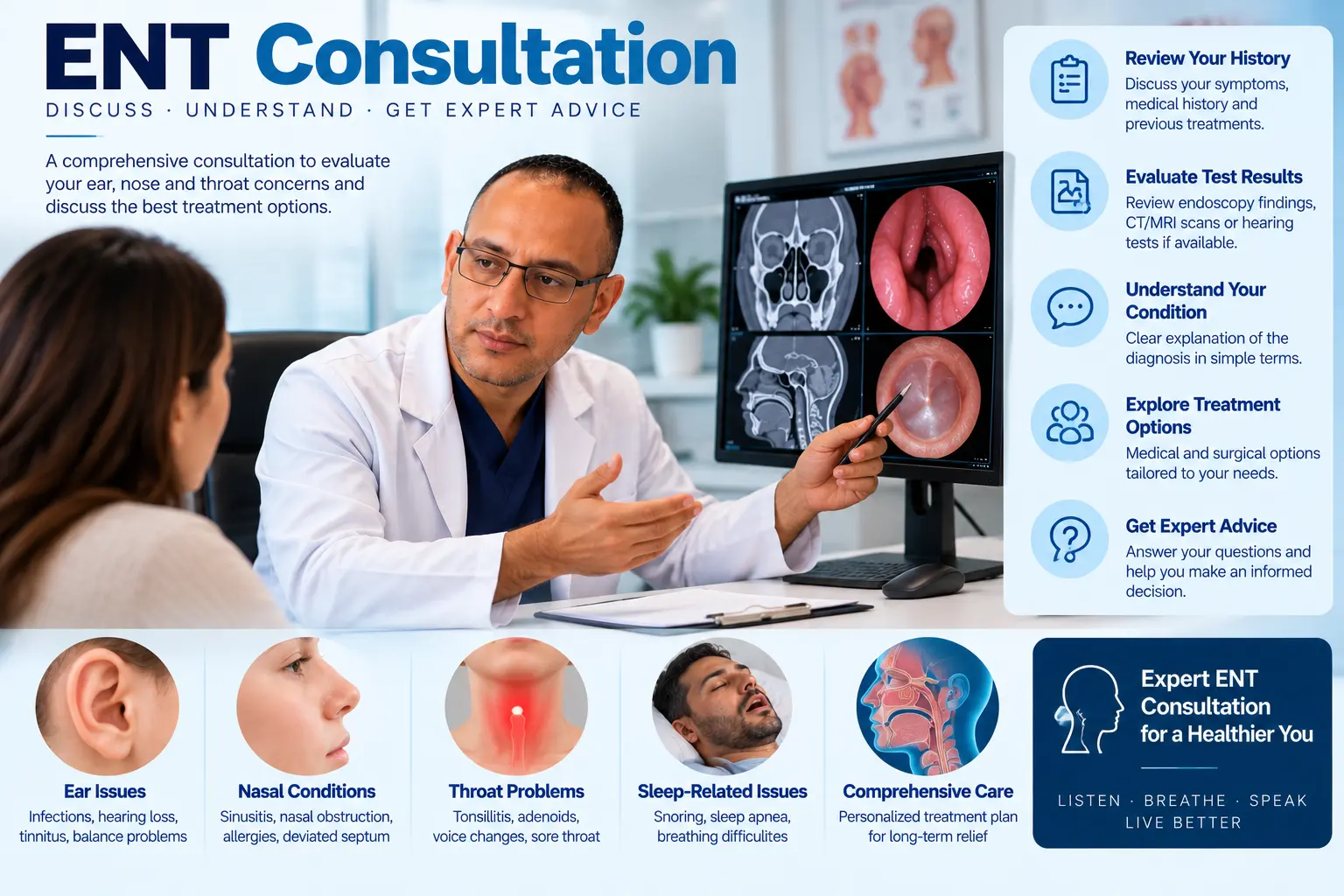
Read MoreAn ENT consultation starts with the concern that brought you to the appointment. The assessment is tailored to your symptoms, medical history and previous investigations rather than following the same checklist for every patient. Consultations are available in Limassol for people seeking specialist assessment of ear, nose and throat concerns.
Depending on the reason for your visit, the discussion may cover ear pain or discharge, hearing changes, tinnitus, dizziness, nasal blockage, sinus symptoms, reduced sense of smell, recurrent throat problems, voice changes, swallowing symptoms or a neck lump. The examination focuses on the areas relevant to your history.
The clinician will ask when symptoms began, whether they are persistent or intermittent, what makes them better or worse, and how they affect sleep, work or daily activities. Examination may include the ears, nose, mouth, throat and neck. A nasal endoscopy, hearing assessment or other test may be discussed when findings and symptoms make it useful; additional investigations are not automatically required for every visit.
At the end of the consultation, the aim is to explain likely causes and any uncertainty, identify signs that need further attention, and agree on proportionate next steps. These may include treatment, monitoring, testing, another specialist opinion or discussion of a procedure. Surgery is not the default outcome of an ENT appointment.
Sudden hearing loss, severe or rapidly worsening breathing difficulty, uncontrolled bleeding, a serious injury or rapidly deteriorating symptoms may require urgent medical care rather than waiting for a routine ENT appointment.
This information is general and does not replace an individual medical assessment. The appropriate examination and tests depend on your symptoms and clinical findings.
Patient Resources
Patient-friendly articles related to this service and common questions about assessment and care.
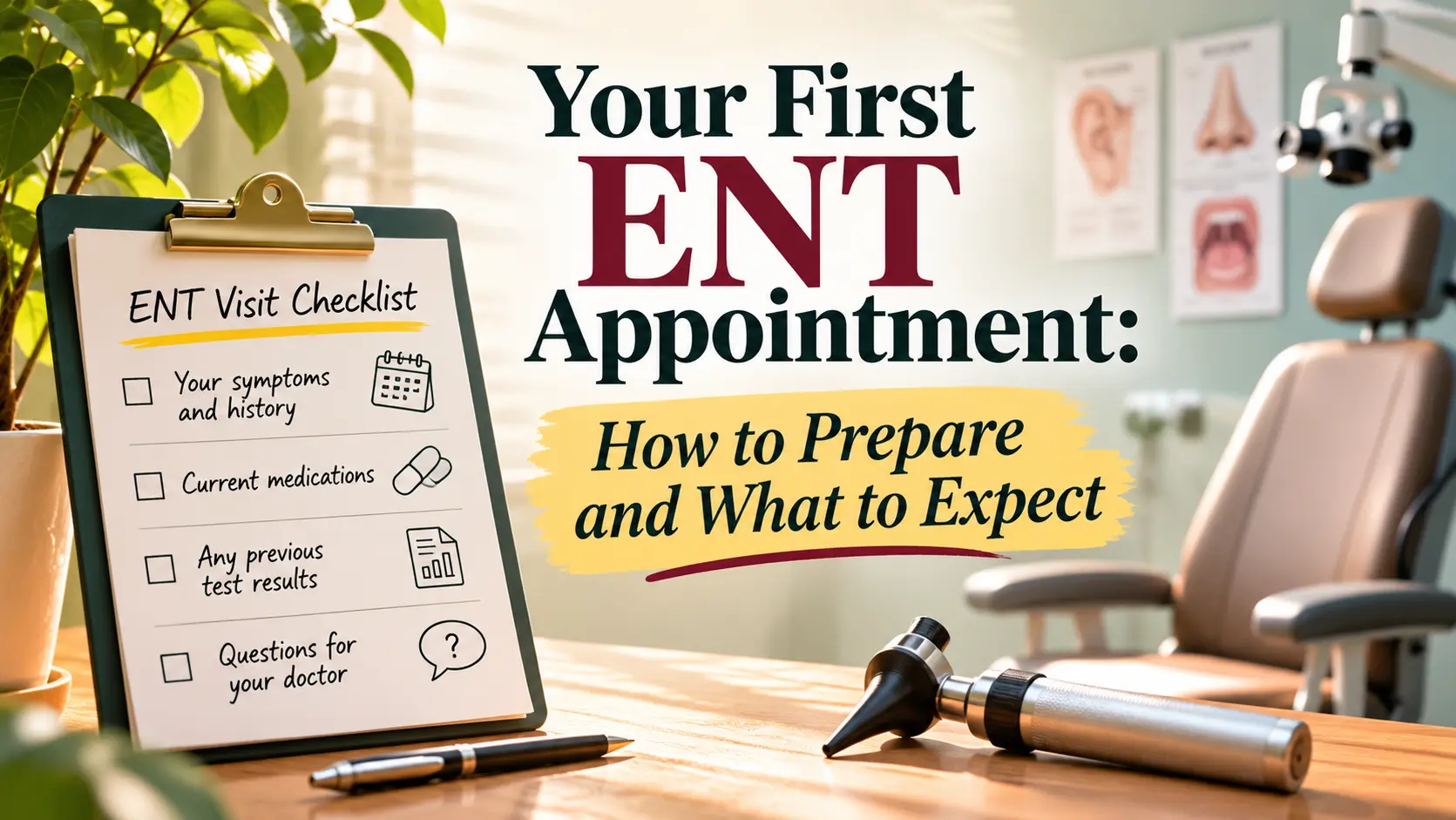
Prepare for an ear, nose and throat appointment with a simple symptom checklist, useful questions and an overview of common examinations.
Read More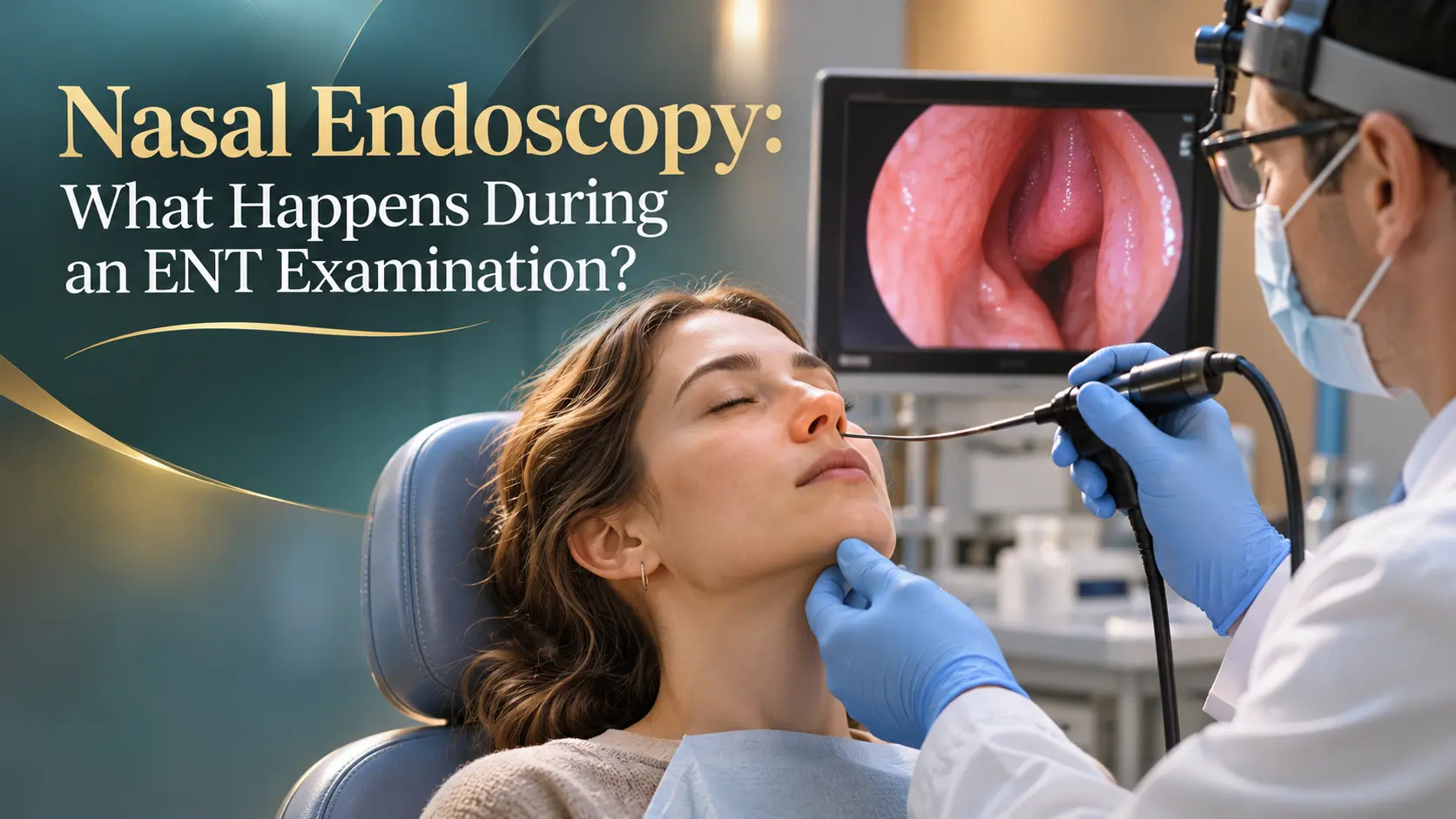
Learn why clinicians use nasal endoscopy, how to prepare, what it can show, and what discomfort or after-effects to expect.
Read More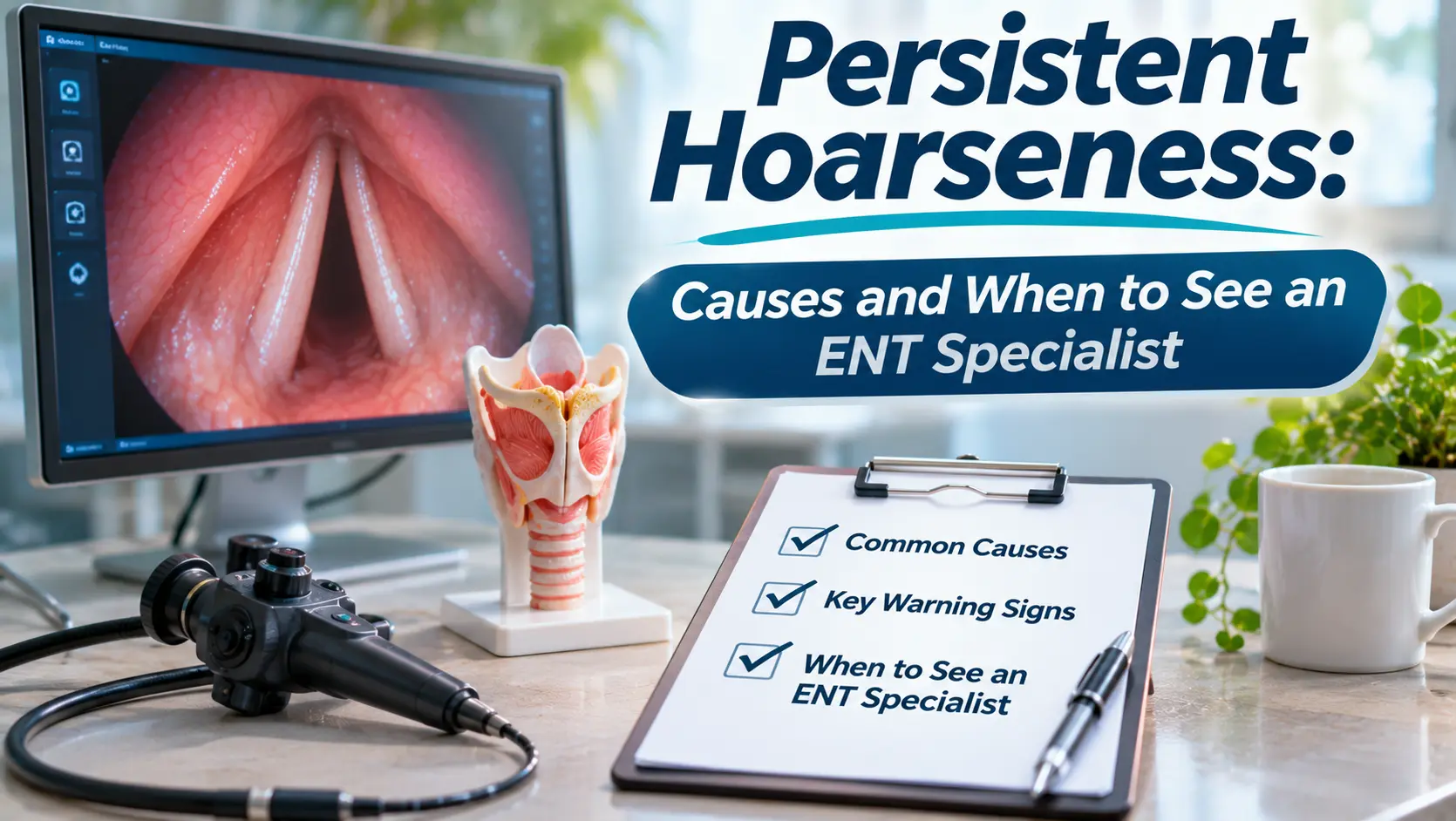
Explore common reasons for a hoarse voice, practical voice-care steps, what an ENT assessment may involve, and warning signs that need earlier review.
Read More