Rhinitis During Pregnancy: Relieving Nasal Symptoms Safely
Learn why nasal congestion may develop during pregnancy and how to discuss safe symptom relief with a healthcare professional.
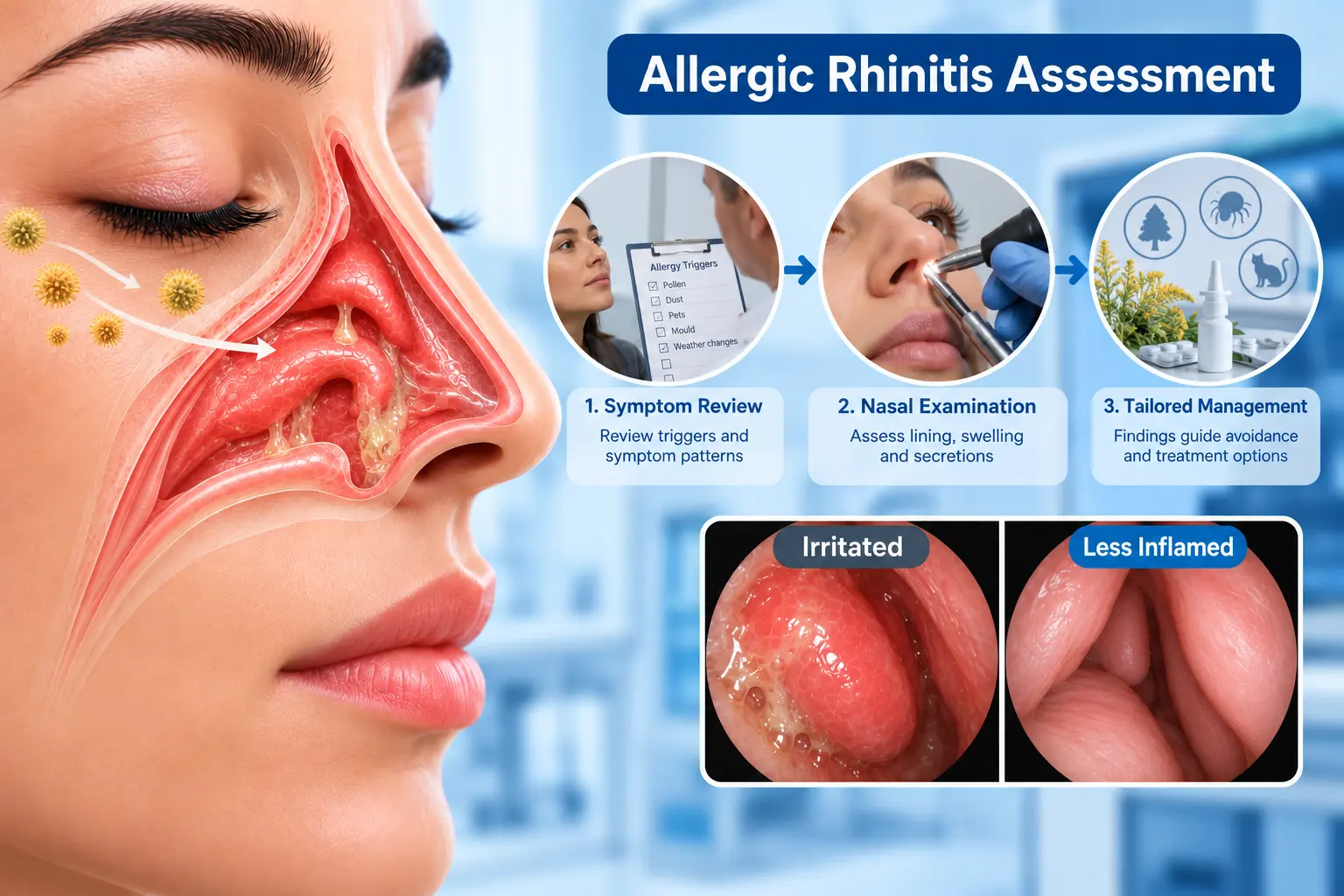
Read MoreA useful assessment looks at the timing of symptoms, possible triggers, eye symptoms, sleep disruption, smell changes and the response to treatments already tried. Examination helps identify inflammation and check for other contributors, such as a deviated septum or nasal polyps.
Management may include reducing relevant exposures, appropriate medicines or further allergy evaluation when indicated. The best plan depends on the severity and pattern of symptoms; persistent blockage should not automatically be attributed to allergy alone.
Long-lasting nasal symptoms can have more than one cause. A focused assessment helps match treatment to the actual pattern rather than repeatedly trying the same remedy.
This information is general and does not replace an individual medical assessment.
Patient Resources
Patient-friendly articles related to this service and common questions about assessment and care.
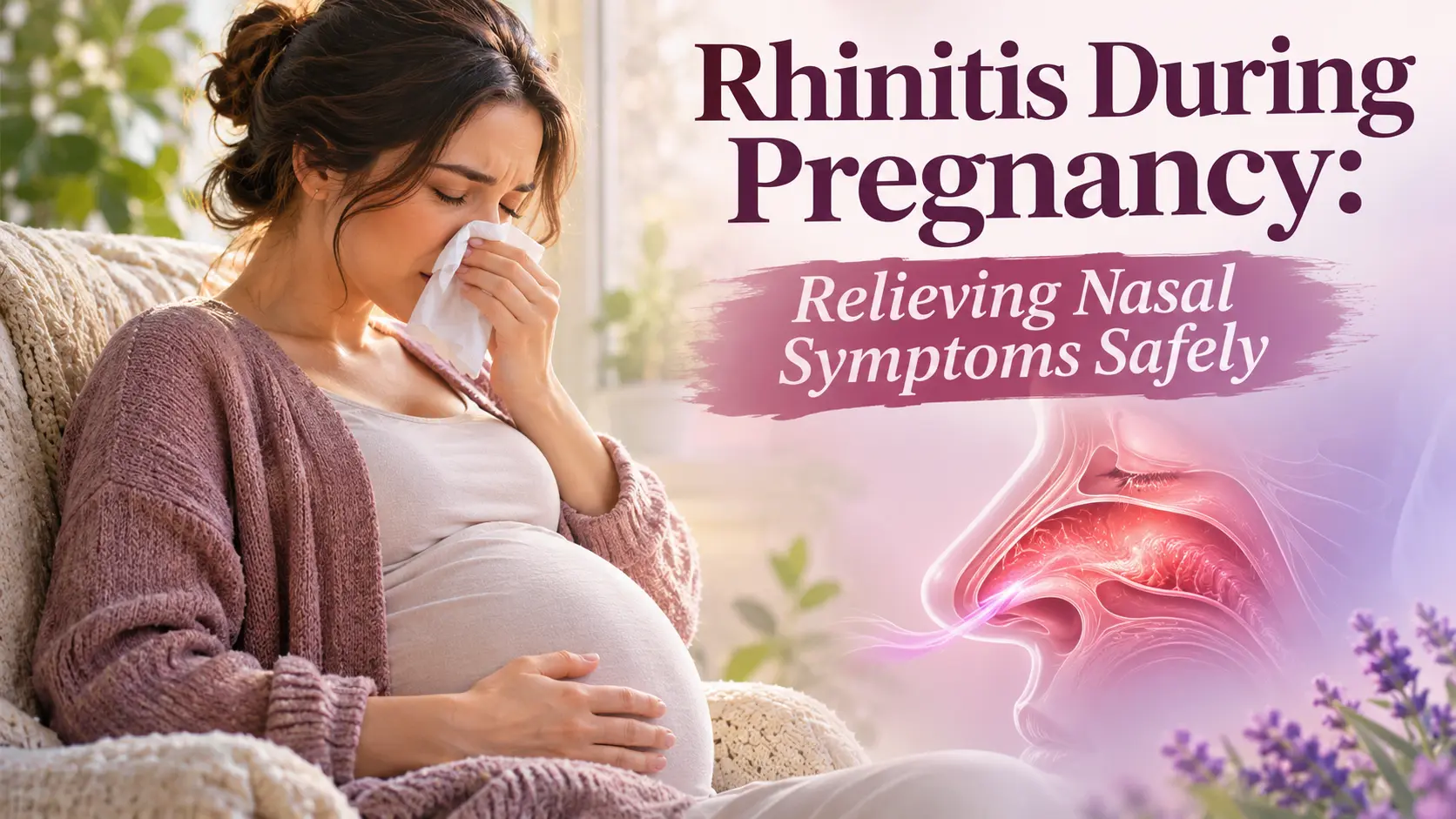
Learn why nasal congestion may develop during pregnancy and how to discuss safe symptom relief with a healthcare professional.
Read More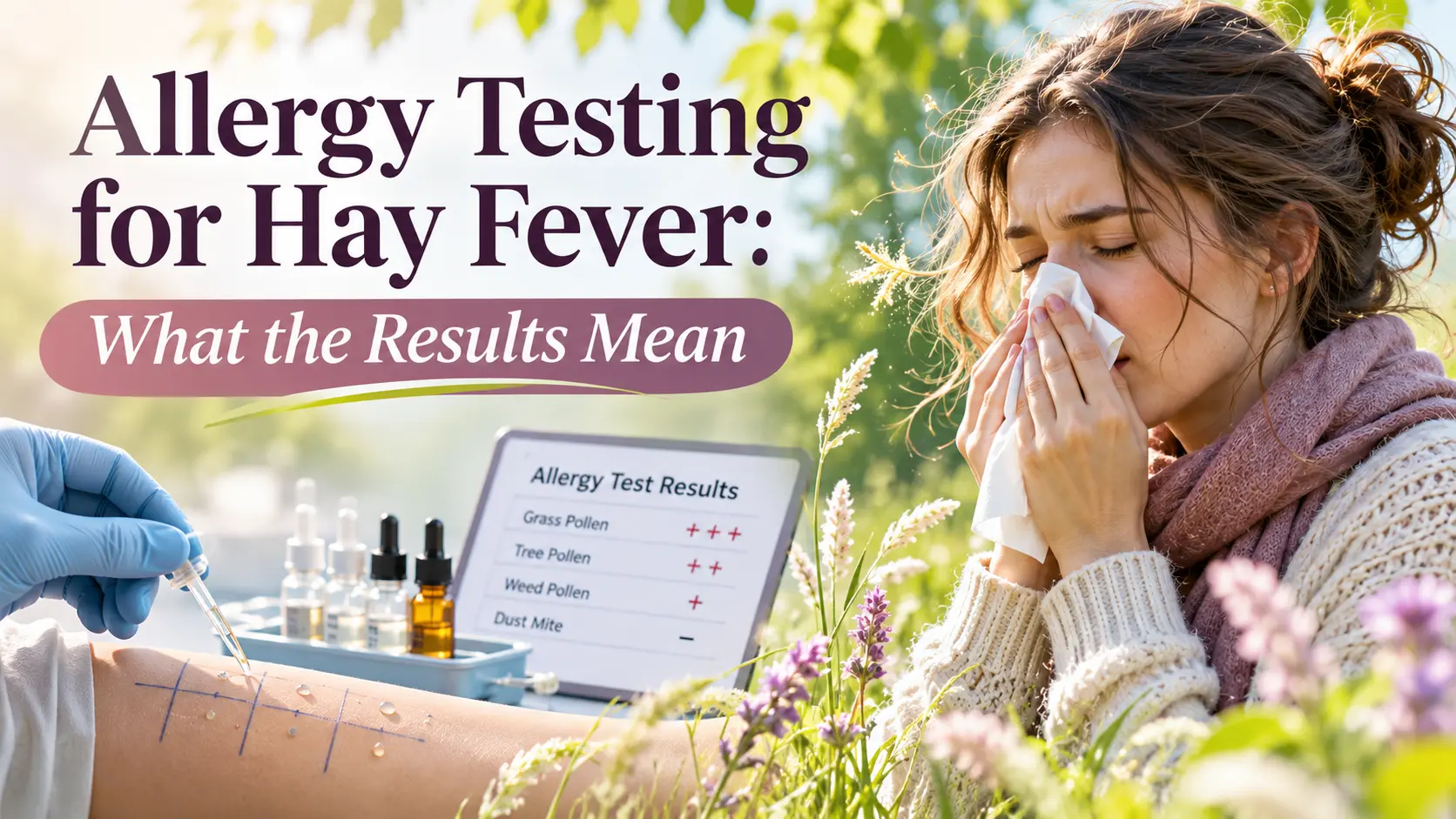
Understand Allergy Testing for Hay Fever: What the Results Mean—how it is assessed, which care options may be discussed, and which symptoms need prompt medical.
Read More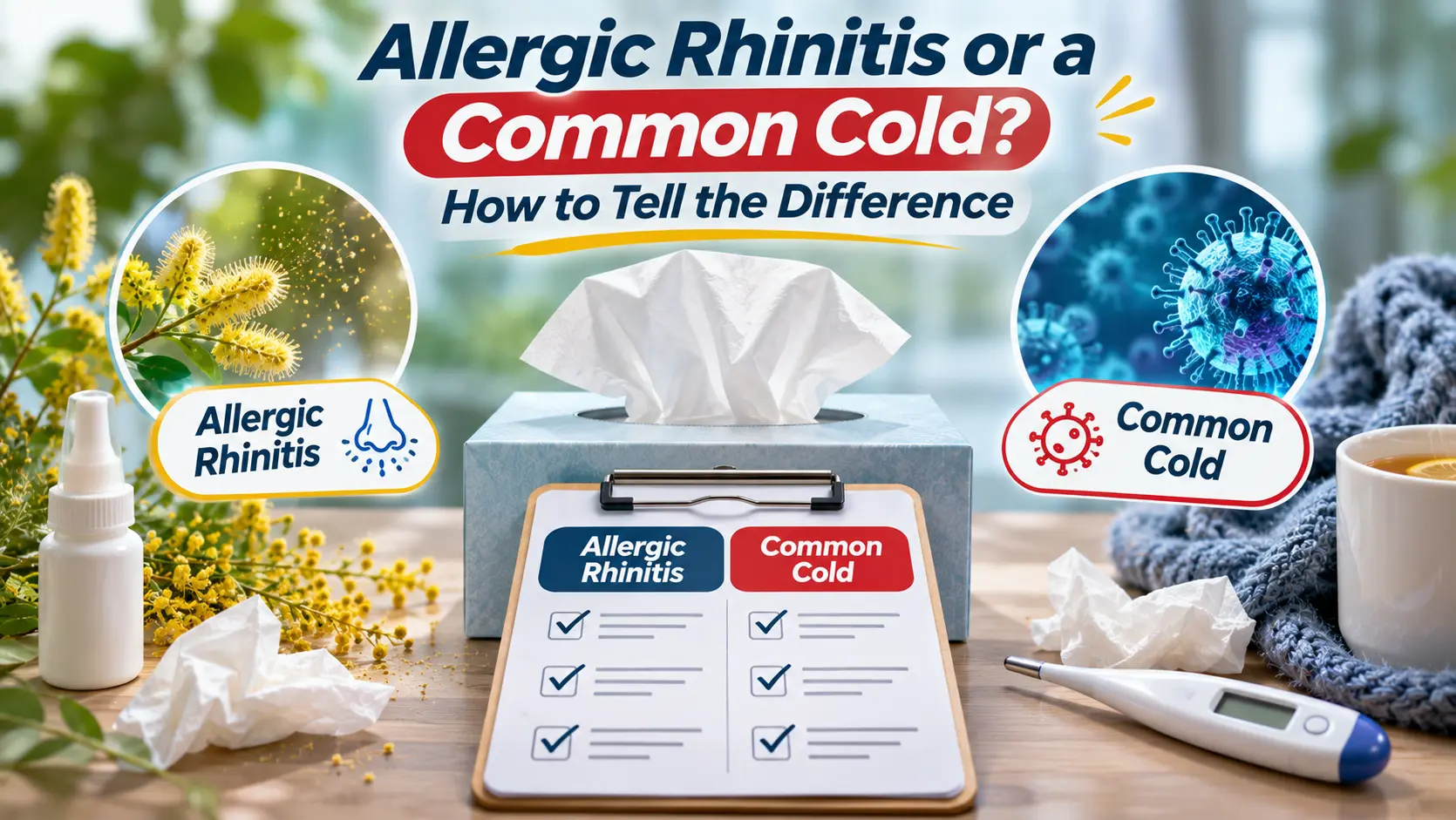
Compare allergy and cold symptoms, learn about common triggers and practical relief, and understand when persistent nasal symptoms need medical review.
Read More