Snoring and Sleep Apnoea: Signs You Should Not Ignore
Learn the difference between ordinary snoring and possible obstructive sleep apnoea, how it is assessed, and which treatment options may help.
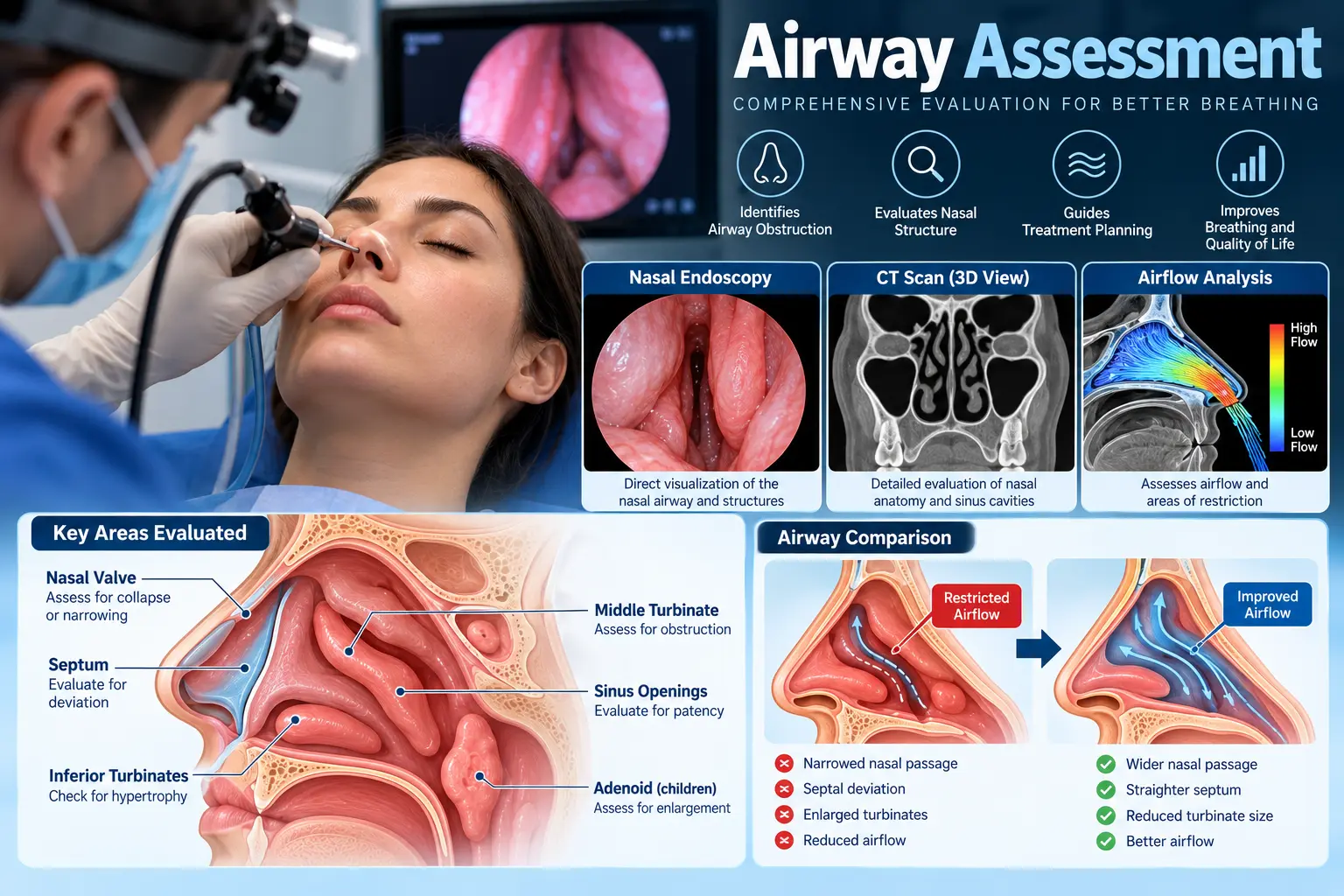
Read MoreThe assessment starts with when the difficulty occurs, whether it affects breathing in or out, and whether it is associated with exercise, sleep, swallowing, voice changes or recent illness. Examination findings help determine whether the nose, throat, larynx or another part of the airway may be involved.
Depending on the symptoms, the next step may include a focused examination, endoscopic assessment or referral for other investigations. Treatment is guided by the cause rather than the sound or sensation alone.
Severe or sudden breathing difficulty, blue lips, inability to speak normally, or rapidly worsening airway symptoms require emergency medical care rather than a routine appointment.
This information is general and does not replace an individual medical assessment.
Patient Resources
Patient-friendly articles related to this service and common questions about assessment and care.
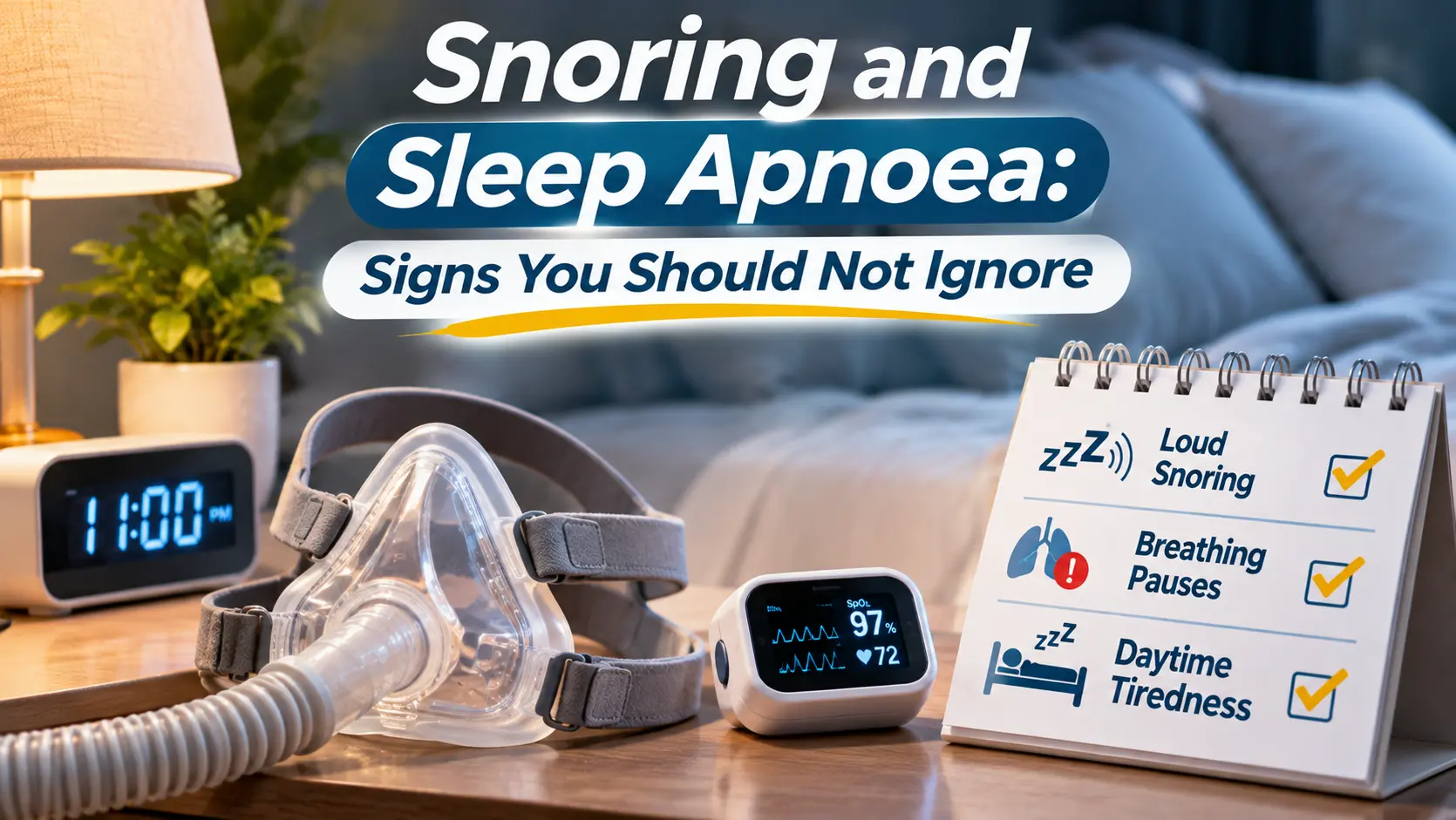
Learn the difference between ordinary snoring and possible obstructive sleep apnoea, how it is assessed, and which treatment options may help.
Read More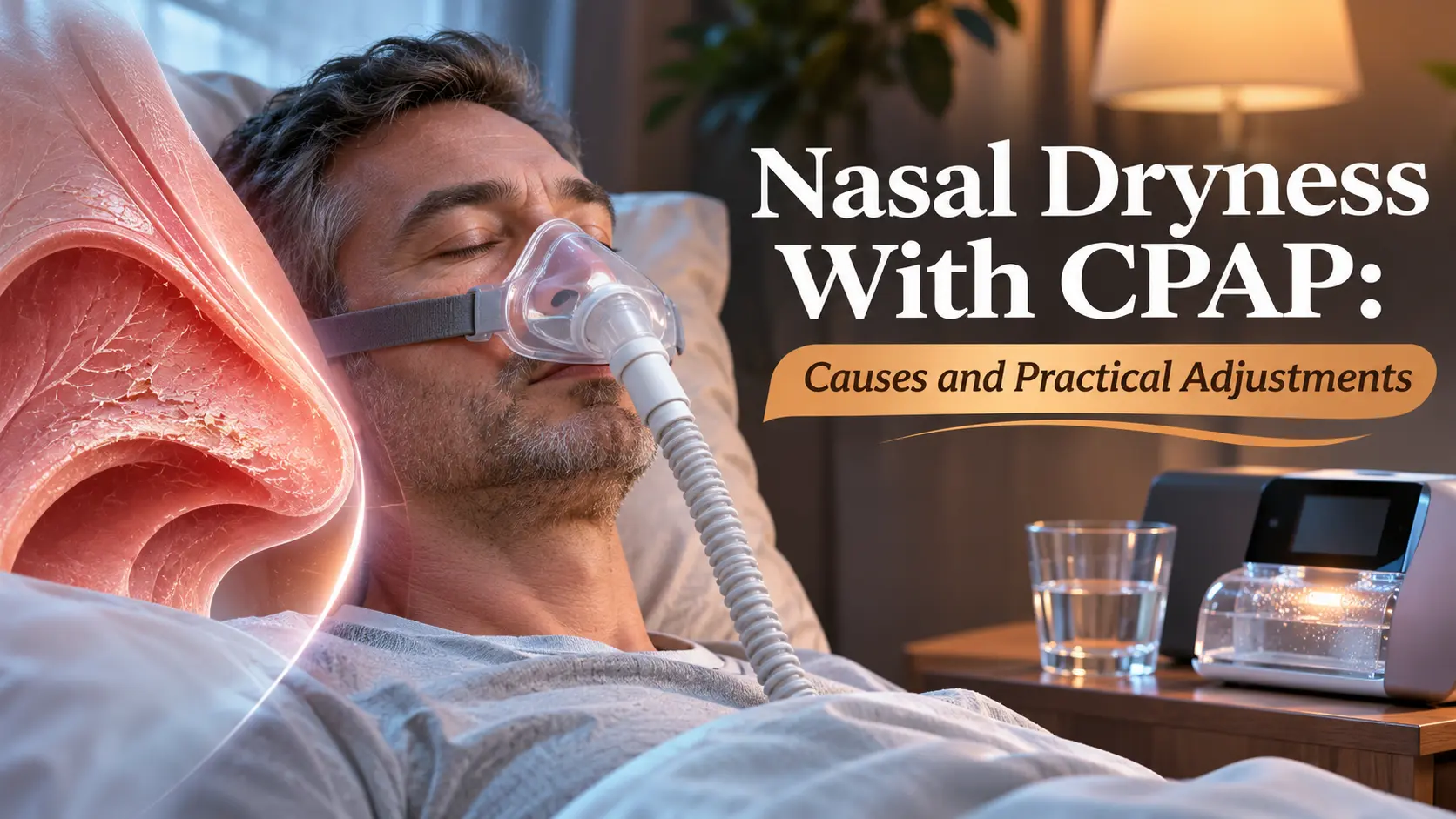
Understand Nasal Dryness With CPAP: Causes and Practical Adjustments—how it is assessed, which care options may be discussed, and which symptoms need prompt.
Read More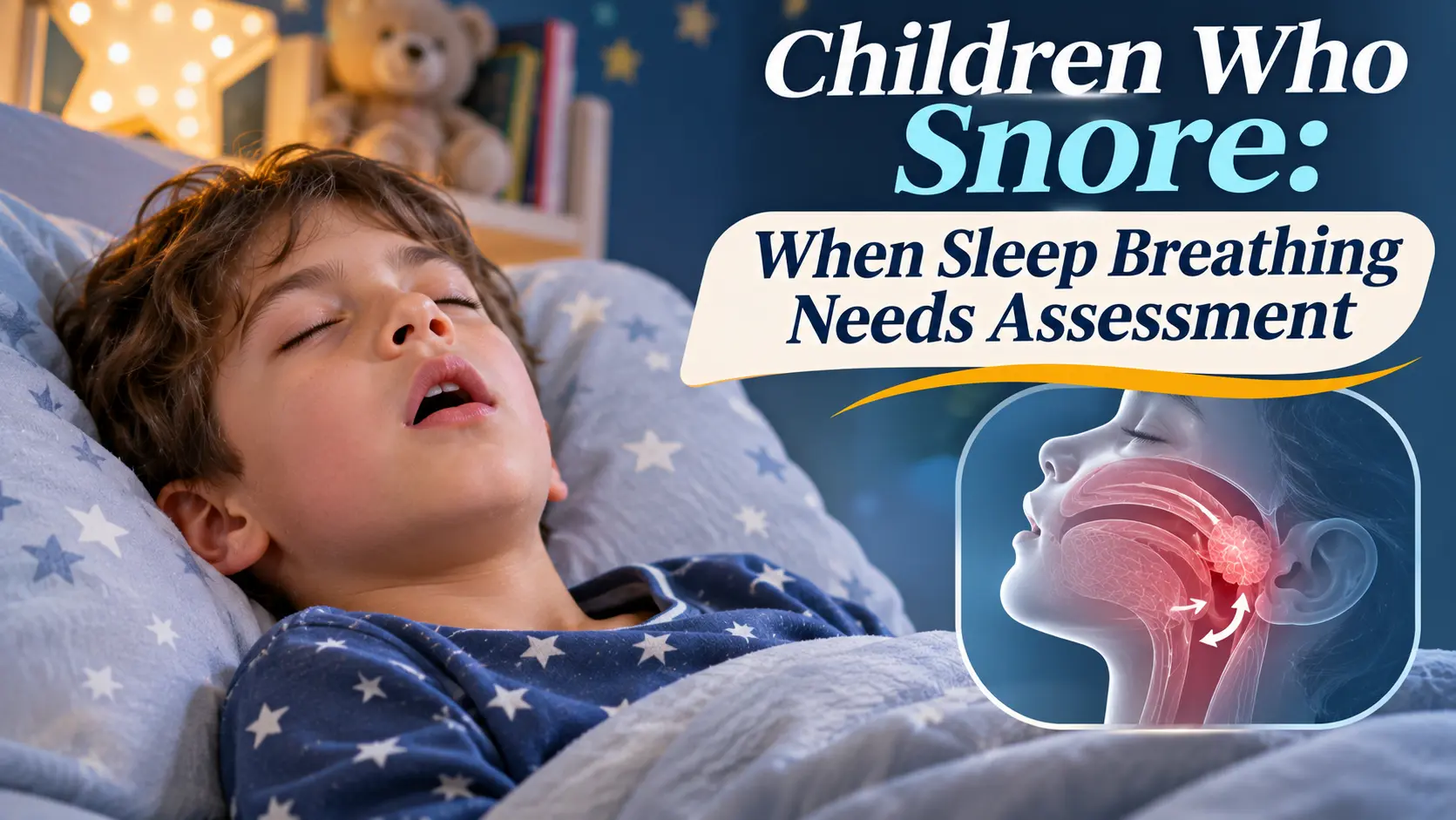
Learn when childhood snoring may signal airway obstruction or sleep apnoea, what signs to observe, and how clinicians assess treatment options.
Read More