
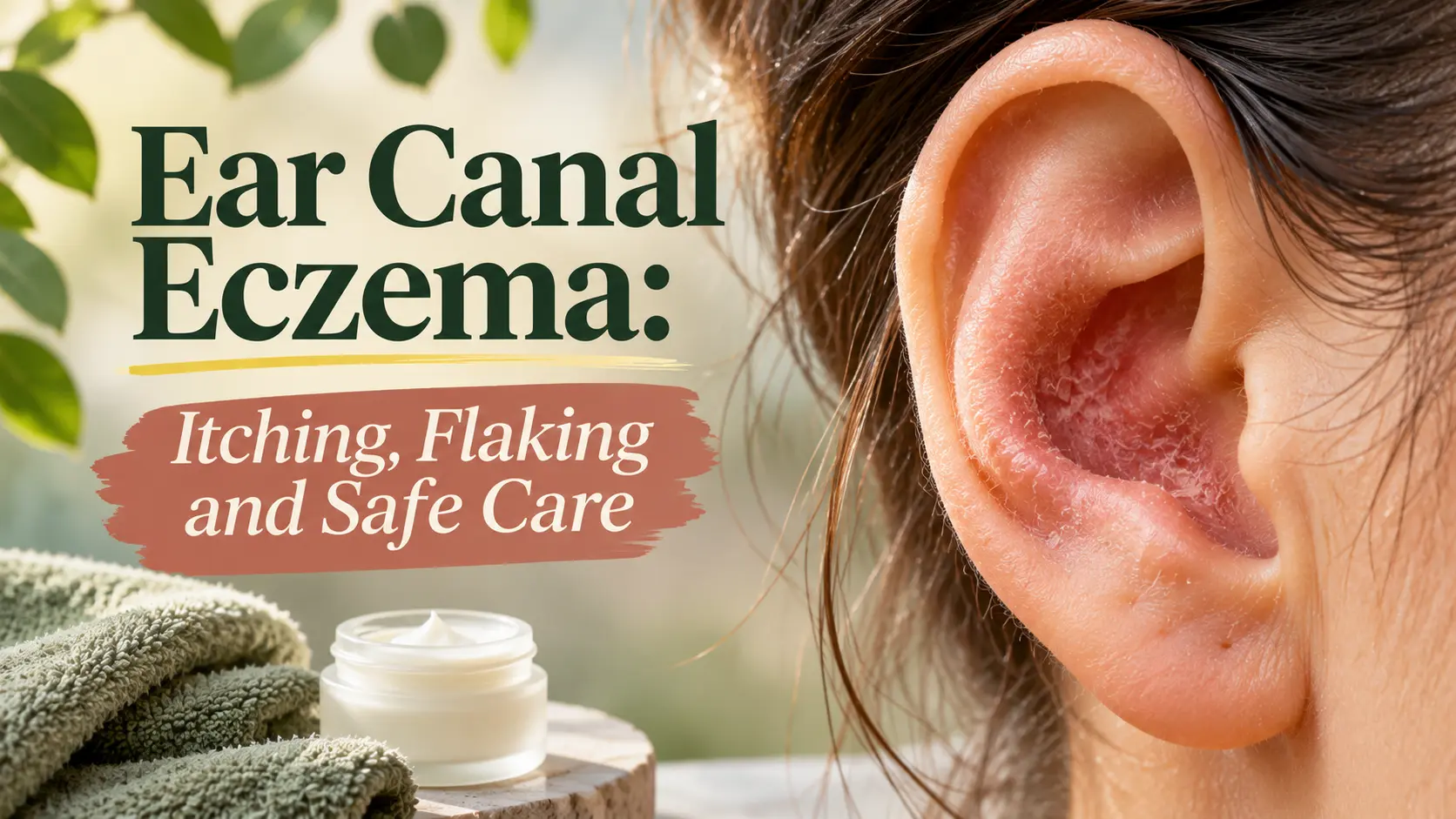
Persistent ear itching may be caused by eczema or other skin inflammation, but infection, wax, and contact reactions can feel similar. Scratching the canal or using cotton buds often worsens irritation and can damage the skin. An examination is useful when symptoms persist, recur, or include pain or discharge.
Common symptoms and triggers
Ear canal eczema can cause itch, dry or flaky skin, redness, and sometimes a watery discharge. Fragranced hair products, earrings or hearing devices, skin conditions such as atopic dermatitis, and repeated cleaning may contribute. Pain, marked swelling, or smelly discharge may point to infection and should not be assumed to be simple eczema.
What care is usually considered?
Treatment depends on the appearance of the canal and whether the eardrum is intact. A clinician may recommend a suitable topical treatment and address triggers. Avoid putting creams, oils, or unprescribed drops deep into the ear because some products are not safe if the eardrum is perforated or tubes are present.
Habits that protect the skin
Keep objects and cotton buds out of the canal, dry the outer ear gently after bathing, and avoid scratching with fingernails. If symptoms appear linked to earbuds, hearing aids, or hair products, discuss cleaning and fit with a professional. Seek review if treatment is not helping or the condition keeps returning.
Frequently asked questions
Can I use olive oil for itchy ears? Do not assume oil is suitable. The right option depends on the cause and eardrum status; seek advice if itching persists.
Does ear eczema cause hearing loss? Swelling or debris can temporarily affect hearing, but a new or sudden hearing change needs assessment rather than being blamed on eczema.
When is urgent care needed? Seek prompt care for severe pain, spreading redness, fever, significant discharge, or symptoms if you have diabetes or a weakened immune system.
Explore our hearing assessment and otology consultation pages for more information about related care options. A clinician can advise whether either is appropriate based on the individual history and examination findings.