
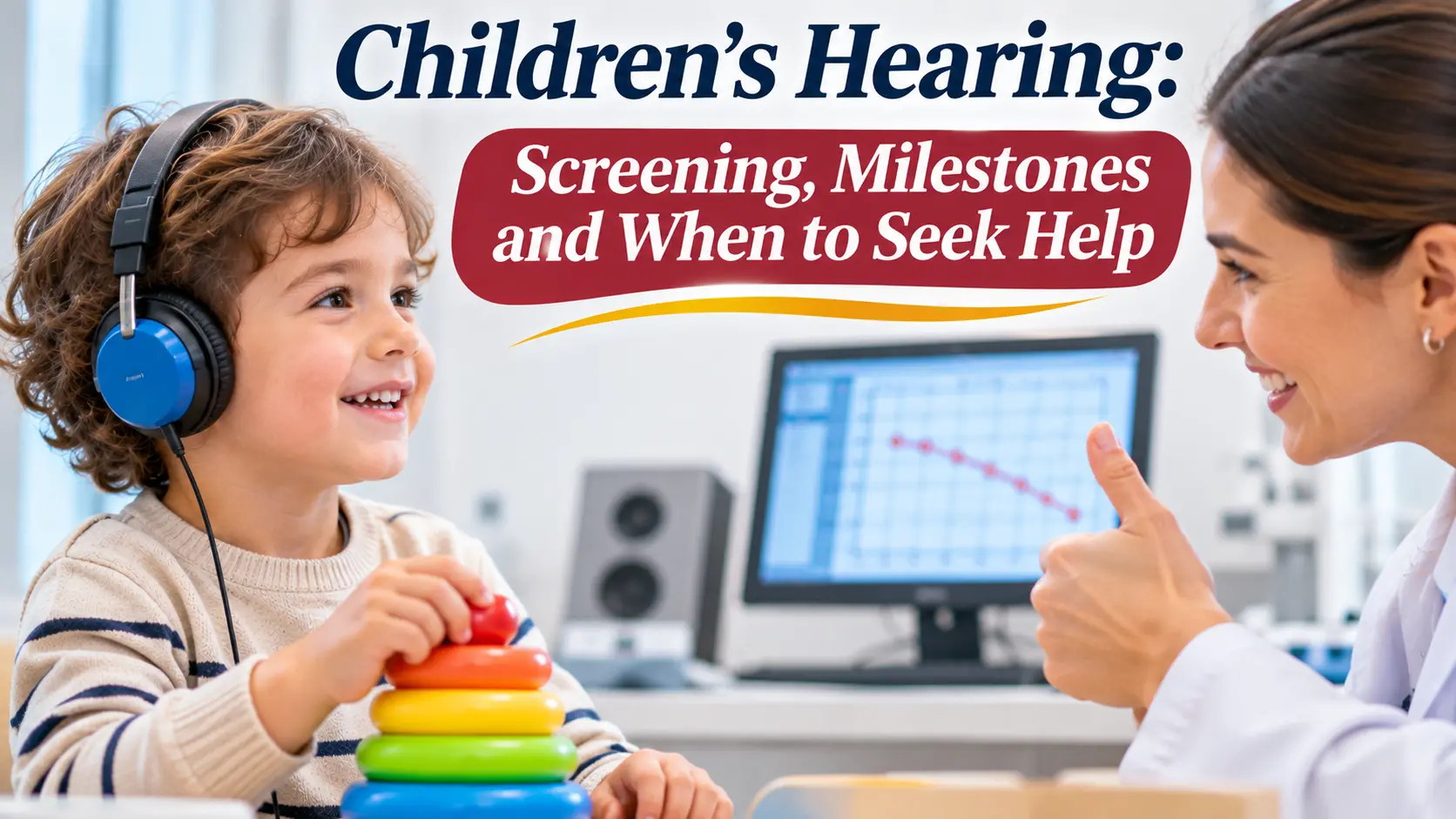
Hearing supports language learning, communication, social connection, and safety. Newborn hearing screening can identify some hearing differences early, but passing a screen does not guarantee that hearing will remain unchanged throughout childhood. Parents and caregivers should raise concerns whenever a child does not respond as expected or communication development seems different.
Screening results and follow-up
If a baby does not pass or complete the first screening, it does not necessarily mean permanent hearing loss. The next step is timely follow-up testing, because fluid, movement, noise, or other factors may affect the initial screen. Do not skip the repeat appointment simply because the baby appears to respond to some sounds at home.
If hearing loss is confirmed, early support can help families choose communication and developmental services that fit the child’s needs. The exact plan depends on the type and degree of hearing loss, the child’s overall health, and family preferences. Screening is the beginning of a pathway, not a diagnosis by itself.
What caregivers can observe
Development varies, and no single milestone should be used to diagnose a hearing problem. Notice whether the child responds to familiar voices and everyday sounds, turns toward sound as expected for age, follows spoken directions when appropriate, and develops communication skills. Repeatedly increasing television volume or watching faces instead of responding to speech may also prompt a conversation with a clinician.
Ear infections and persistent middle-ear fluid can temporarily affect hearing. If concerns arise, request an age-appropriate hearing assessment instead of relying on a phone app or an informal listening test. A paediatric audiologist can use methods suited to the child’s age and ability to respond.
When to arrange assessment
Ask for prompt follow-up if newborn screening was missed or not passed, if speech or language development raises concern, or if a child no longer responds to sounds they previously noticed. Sudden hearing change should be assessed urgently.
Share any family history, ear infections, significant illnesses, head injury, or concerns from teachers and caregivers. Repeated observations across home and school can help clinicians understand the child’s everyday hearing needs.
Common questions
If a baby passes newborn screening, can hearing problems appear later? Yes. Screening reflects hearing at that time; later-onset or acquired hearing changes can occur, so ongoing concerns still need assessment.
Can a child be tested before they can speak? Yes. Audiology services use age-appropriate tests that do not always require a spoken response.
Explore our otology consultation page for more information about this care option. A clinician can advise based on the individual history and examination findings.