Tinnitus: Common Causes, Assessment and Ways to Cope
Understand ringing or buzzing in the ears, common contributing factors, useful hearing assessments, and approaches that may reduce tinnitus impact.
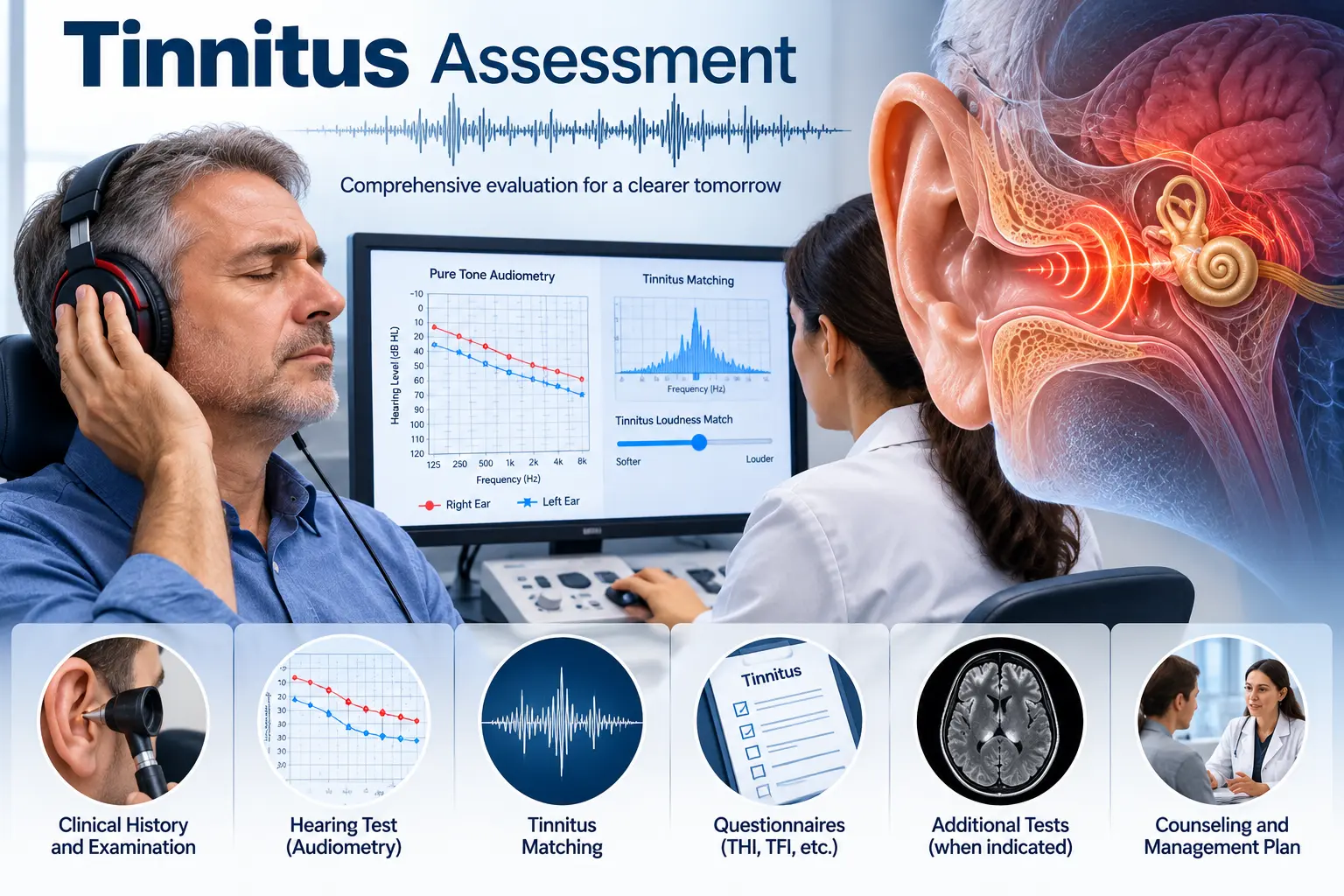
Read MoreThe assessment considers whether the sound is in one or both ears, constant or intermittent, and whether it pulses with the heartbeat. Ear examination and hearing tests are common parts of the evaluation; further tests depend on the findings and symptom pattern.
Management focuses on any identifiable cause and on reducing the effect tinnitus has on sleep, concentration or daily life. There is no single treatment that works for everyone, and promises of a guaranteed cure should be treated cautiously.
Sudden hearing loss with tinnitus needs urgent evaluation. New pulse-synchronous tinnitus, significant one-sided symptoms or neurological signs should also be assessed promptly.
This information is general and does not replace an individual medical assessment.
Patient Resources
Patient-friendly articles related to this service and common questions about assessment and care.

Understand ringing or buzzing in the ears, common contributing factors, useful hearing assessments, and approaches that may reduce tinnitus impact.
Read More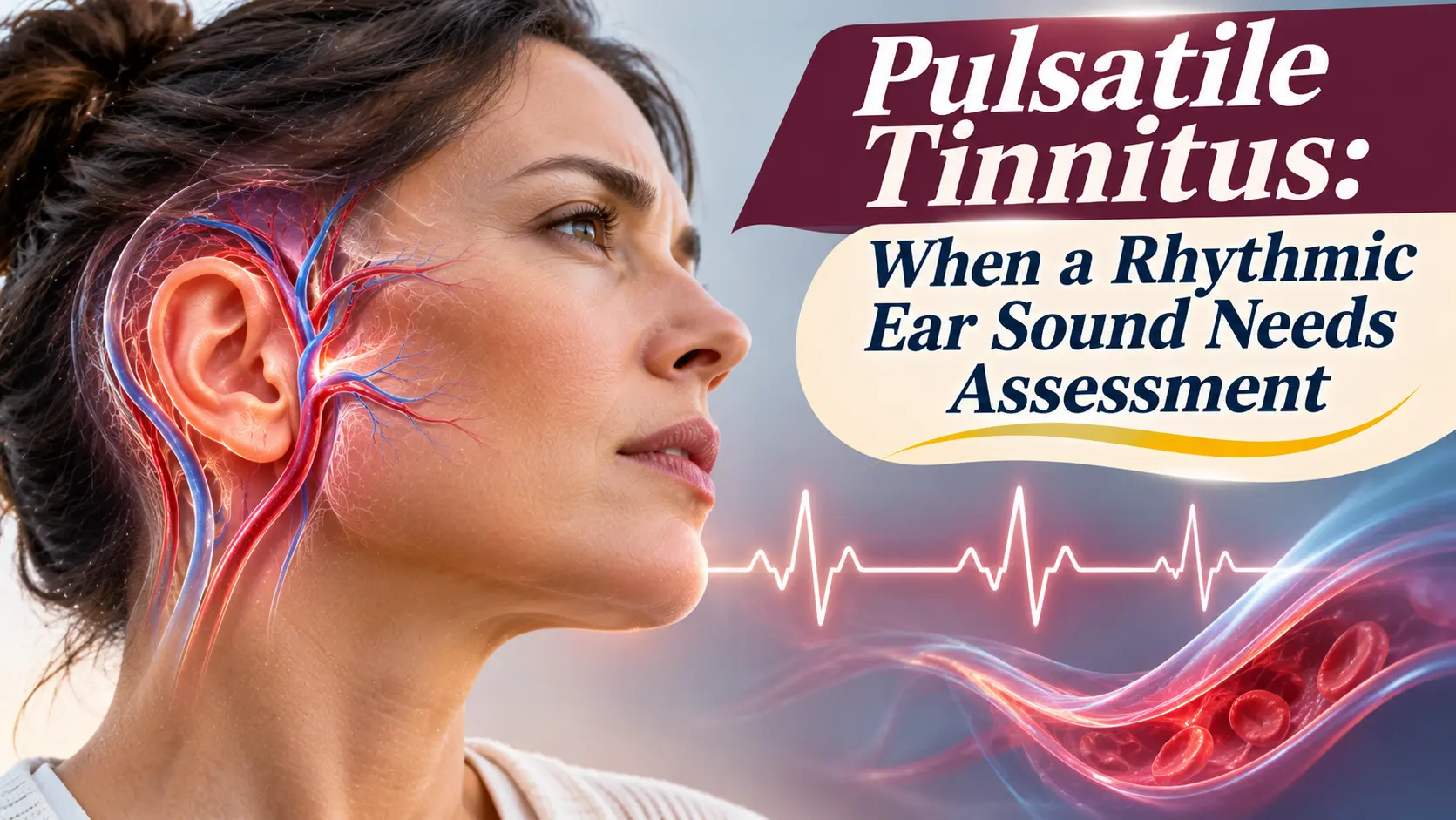
Understand how pulsatile tinnitus differs from ordinary ringing, why it should be assessed, and which symptoms need urgent attention.
Read More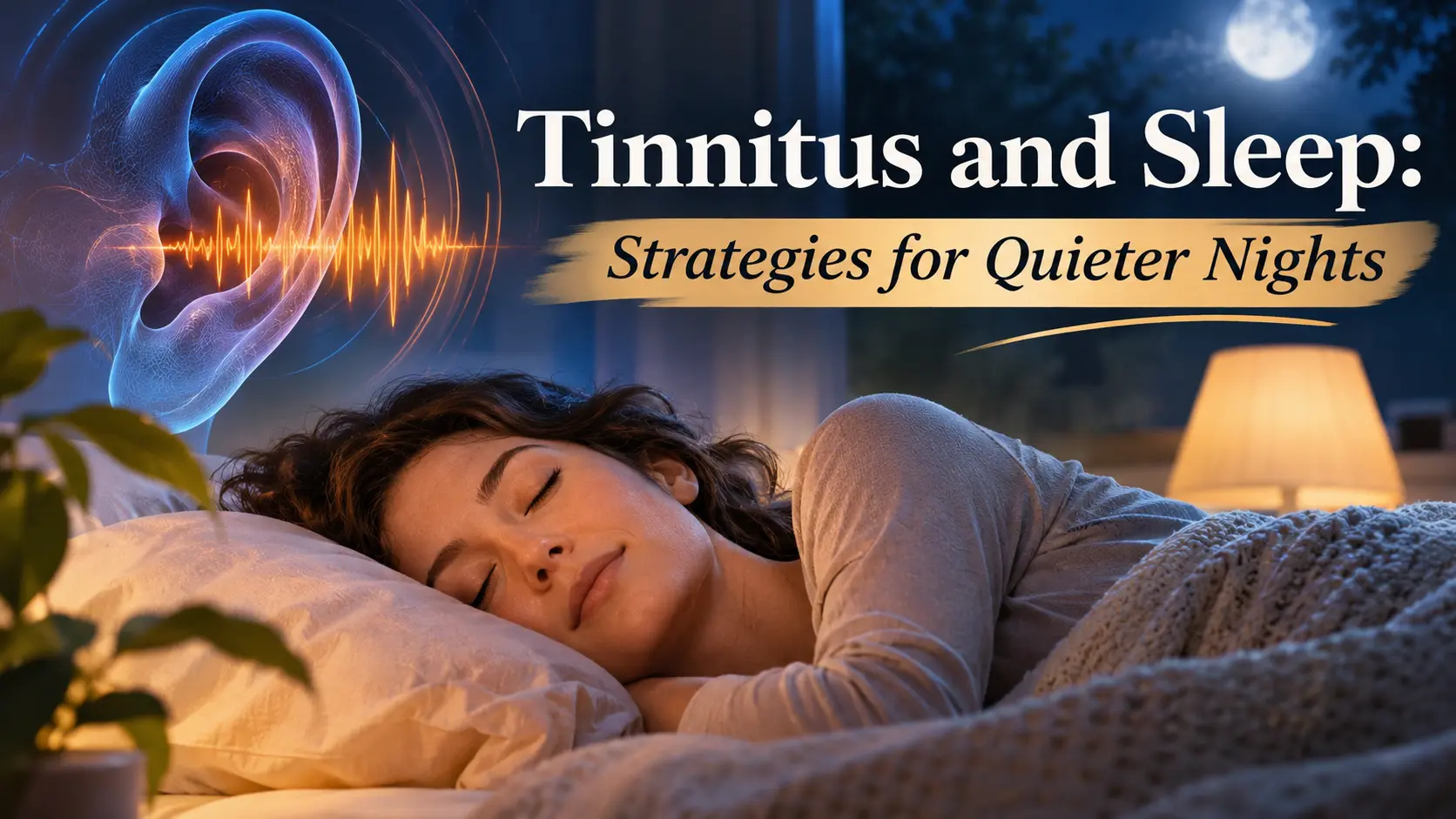
Learn why tinnitus may be more noticeable at bedtime and explore sleep habits and support options that may improve rest.
Read More