Snoring and Sleep Apnoea: Signs You Should Not Ignore
Learn the difference between ordinary snoring and possible obstructive sleep apnoea, how it is assessed, and which treatment options may help.
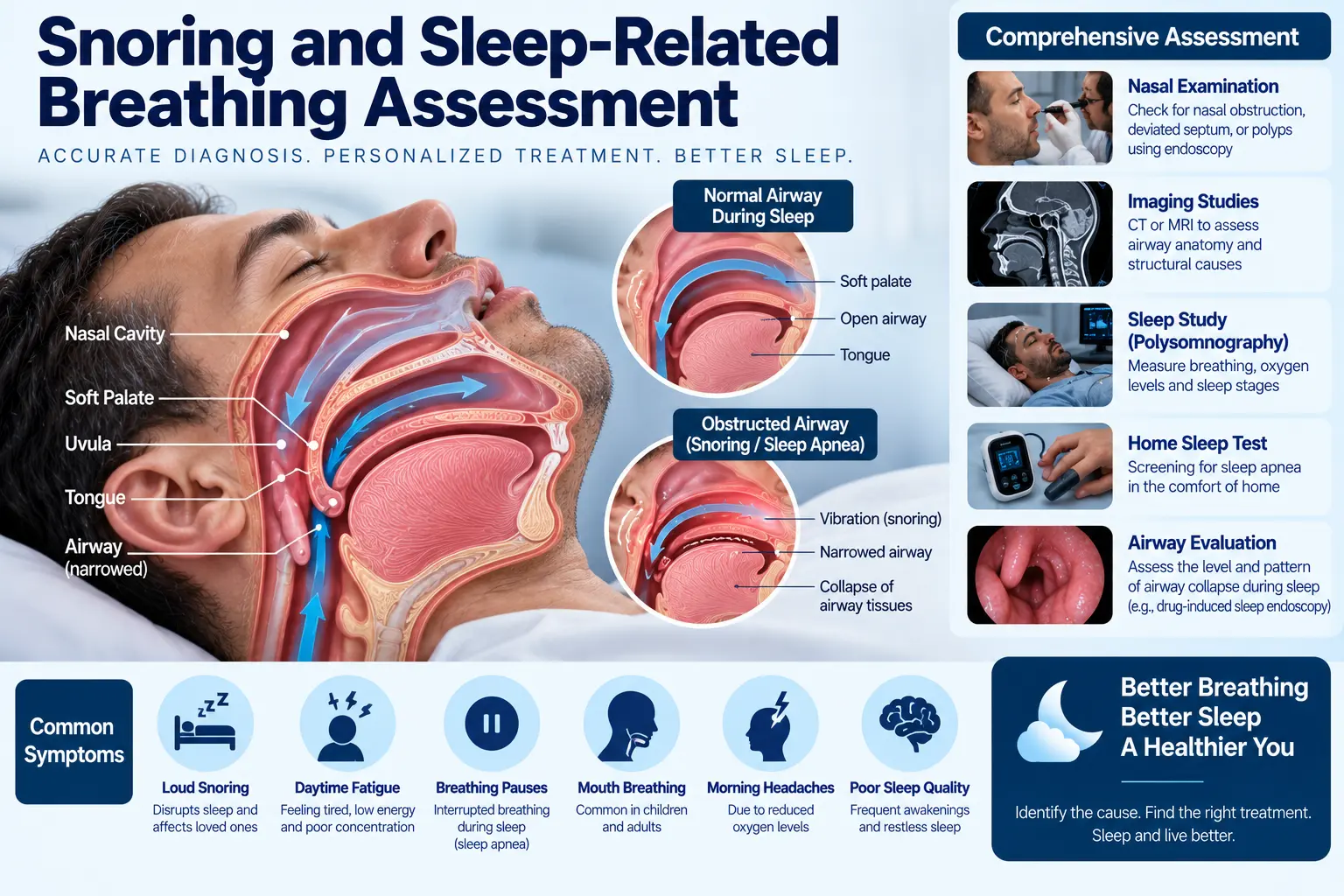
Read MoreThe clinician reviews sleep pattern, daytime effects, nasal blockage, tonsils, weight-related factors, alcohol or sedative use and relevant medical history. A sleep study may be needed to establish whether obstructive sleep apnoea is present and how severe it is.
Treatment depends on the diagnosis and may include sleep-related measures, treatment of nasal or throat contributors, a dental device, positive airway pressure or selected surgery. The right option depends on findings and should not be based on snoring alone.
If you are excessively sleepy during the day, avoid driving when drowsy and arrange assessment. Severe breathing distress is an emergency.
This information is general and does not replace an individual medical assessment.
Patient Resources
Patient-friendly articles related to this service and common questions about assessment and care.
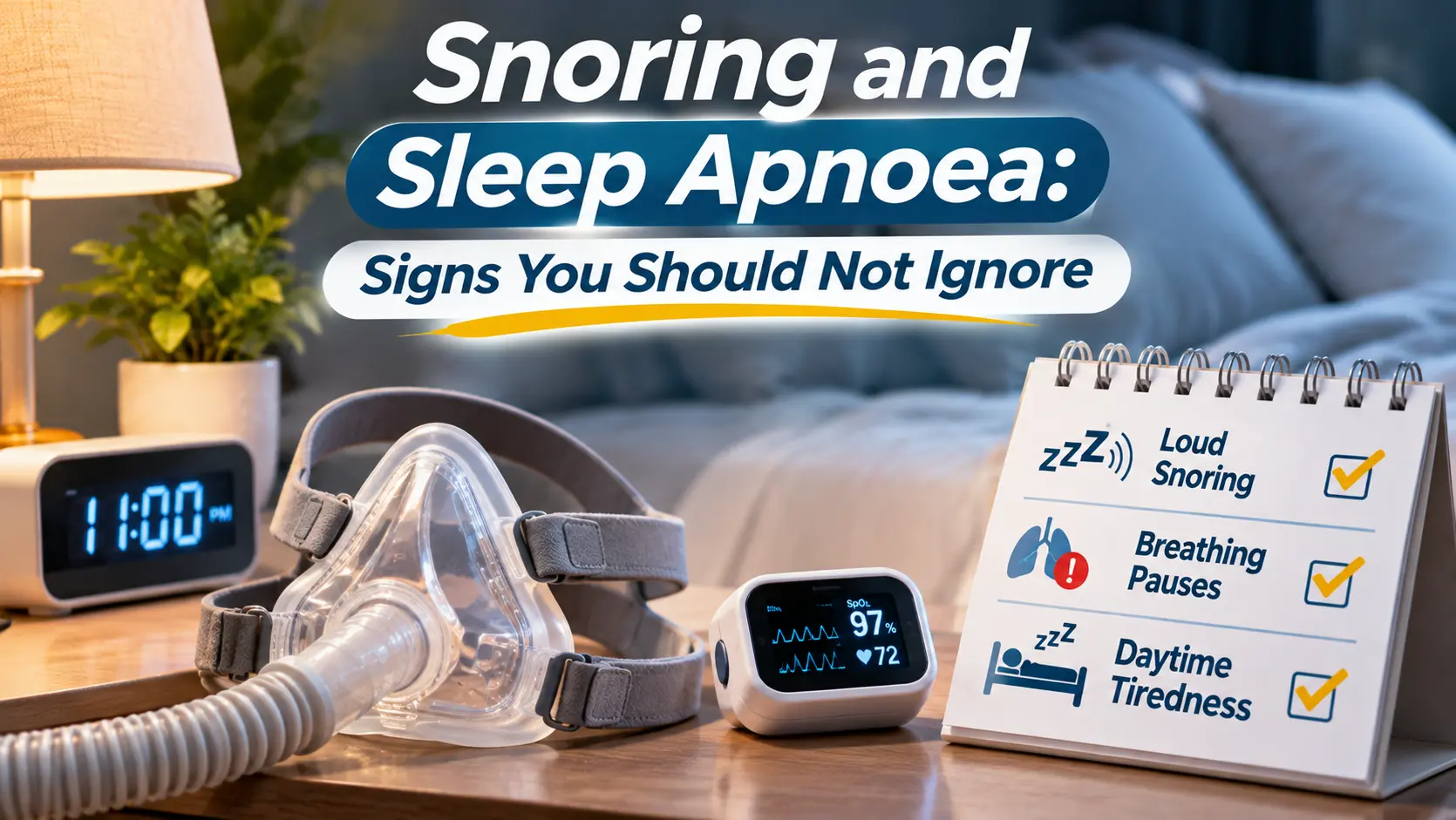
Learn the difference between ordinary snoring and possible obstructive sleep apnoea, how it is assessed, and which treatment options may help.
Read More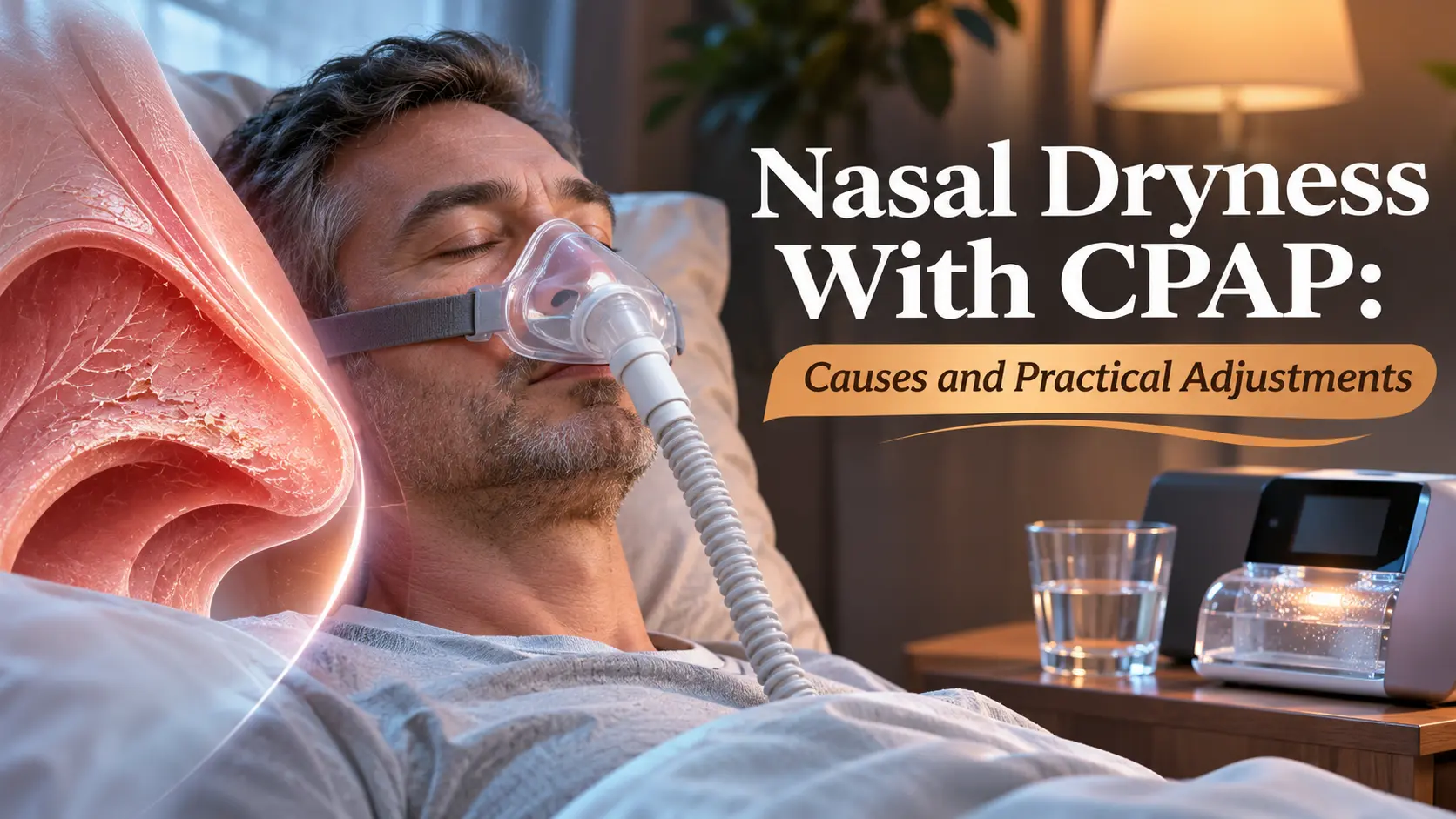
Understand Nasal Dryness With CPAP: Causes and Practical Adjustments—how it is assessed, which care options may be discussed, and which symptoms need prompt.
Read More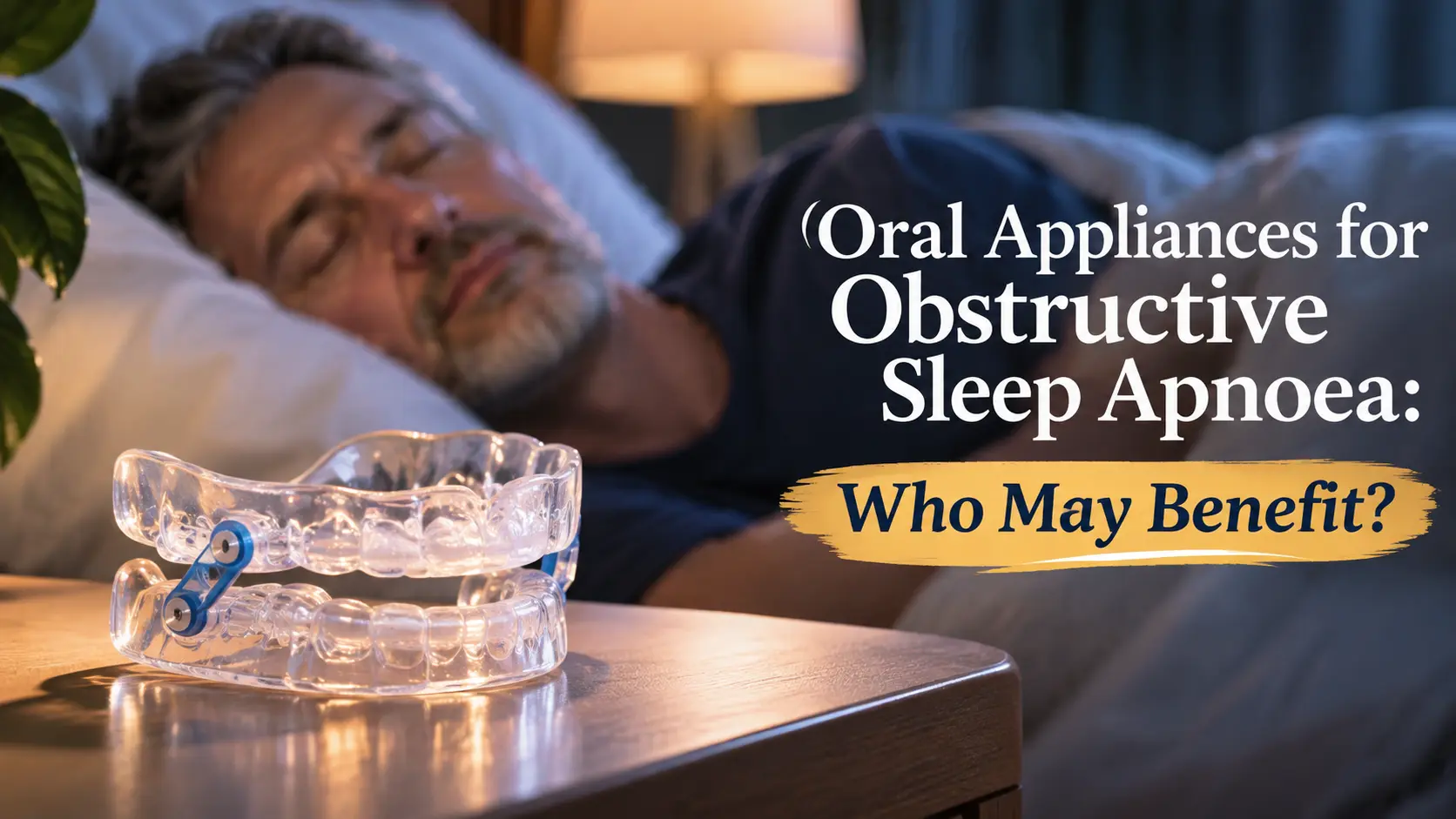
Understand Oral Appliances for Obstructive Sleep Apnoea: Who May Benefit?—how it is assessed, which care options may be discussed, and which symptoms need.
Read More