Something Stuck in a Child’s Nose: Safe Next Steps for Parents
Learn the signs of a nasal foreign body, why repeated probing can be harmful, and when urgent removal is needed.
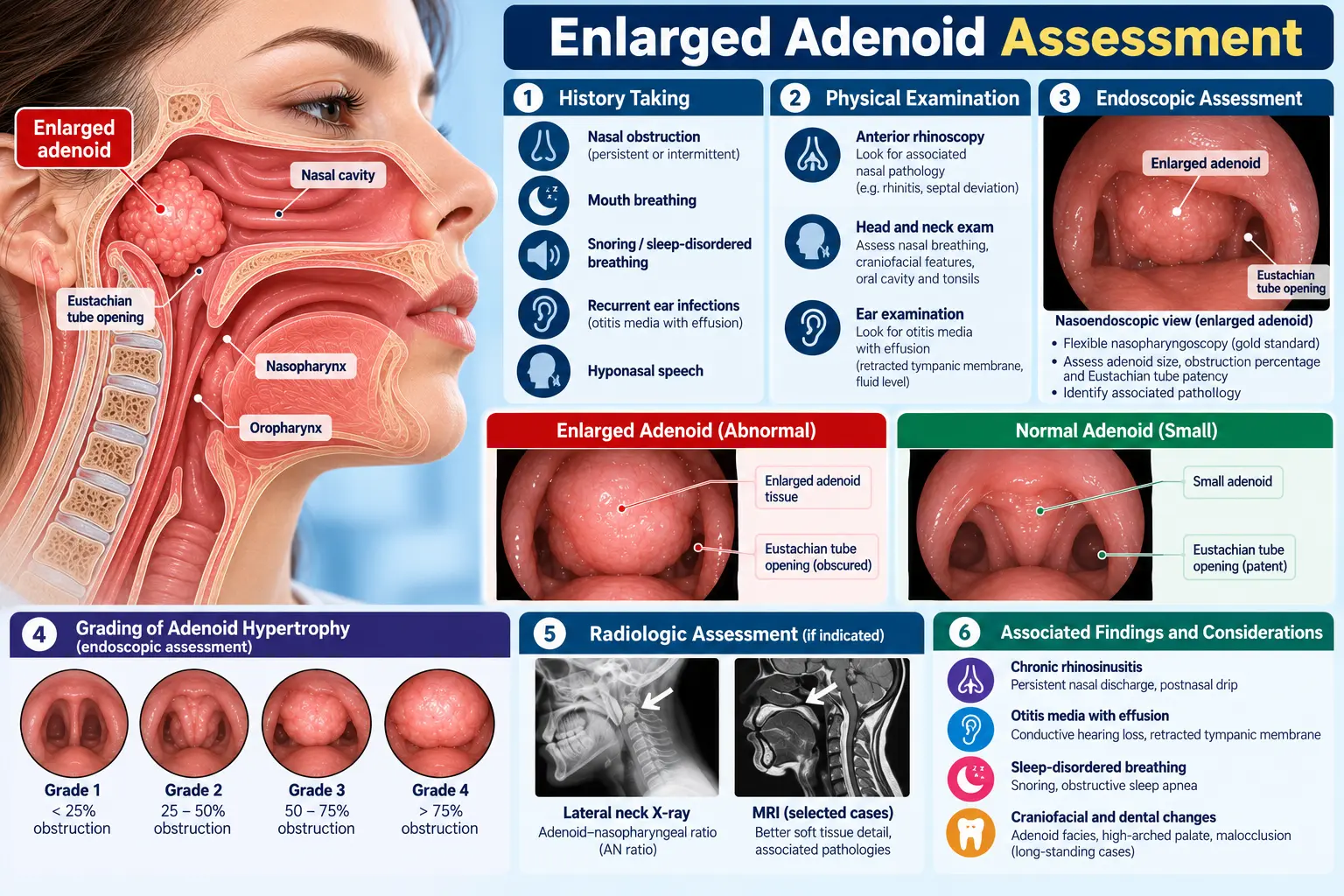
Read MoreAdenoids are lymphoid tissue behind the nose. When enlarged, they can restrict airflow through the nose and may affect sleep or the middle ears. The importance depends on symptoms and their impact—not simply the size of the adenoids.
The assessment considers sleep, breathing, ear infections, hearing, growth and daytime behaviour where relevant. Management may range from observation or medical treatment to surgery if symptoms are significant and the expected benefits justify it.
Not every enlarged adenoid requires treatment. If your child has pauses in breathing, laboured breathing during sleep or marked daytime effects, arrange prompt medical assessment.
This information is general and does not replace an individual medical assessment.
Patient Resources
Patient-friendly articles related to this service and common questions about assessment and care.

Learn the signs of a nasal foreign body, why repeated probing can be harmful, and when urgent removal is needed.
Read More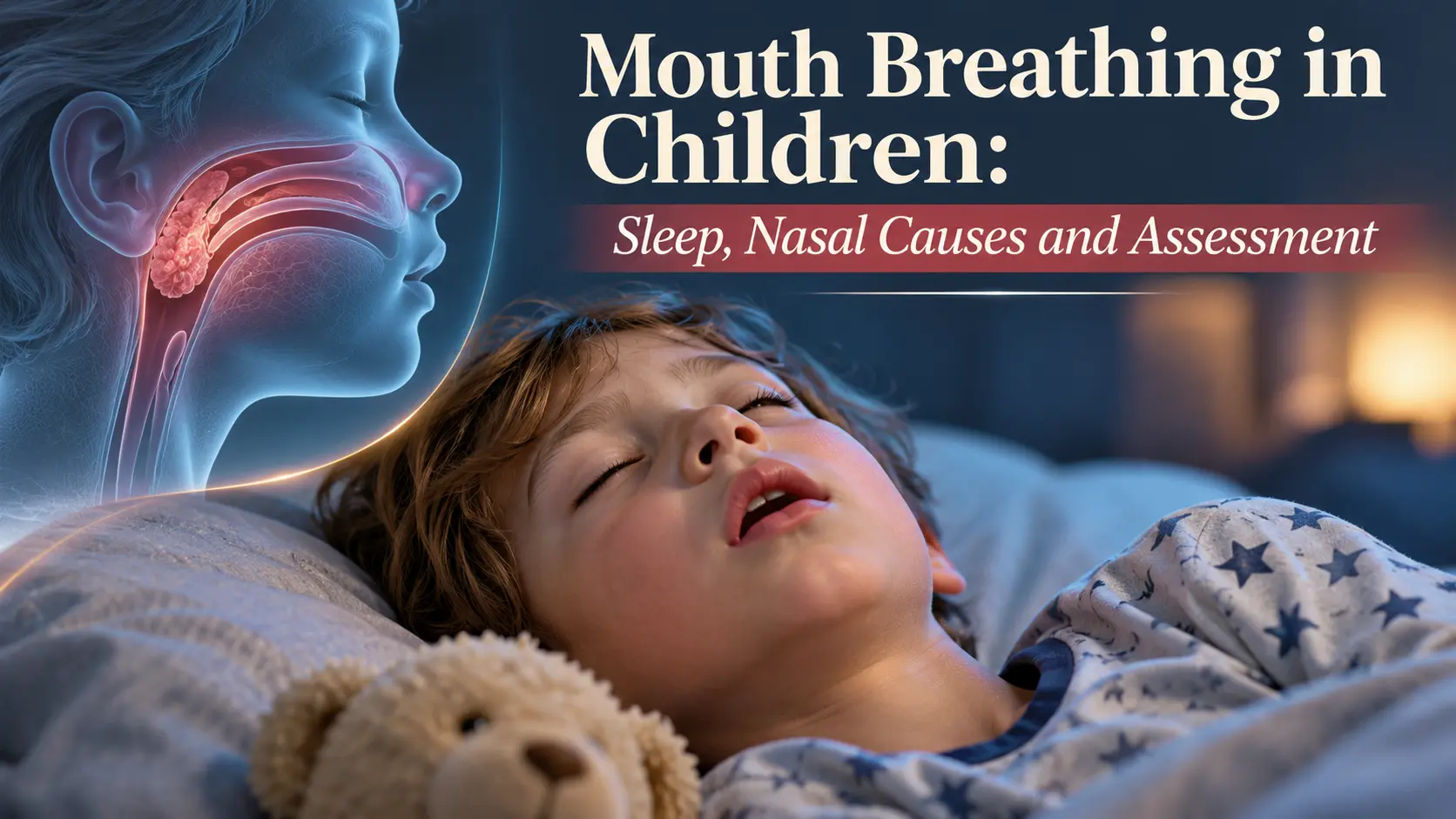
Understand why a child may breathe through the mouth, which symptoms matter, and when nasal or sleep assessment may be appropriate.
Read More
Understand what tongue-tie means, how it may affect function, and why treatment decisions depend on symptoms rather than appearance alone.
Read More