
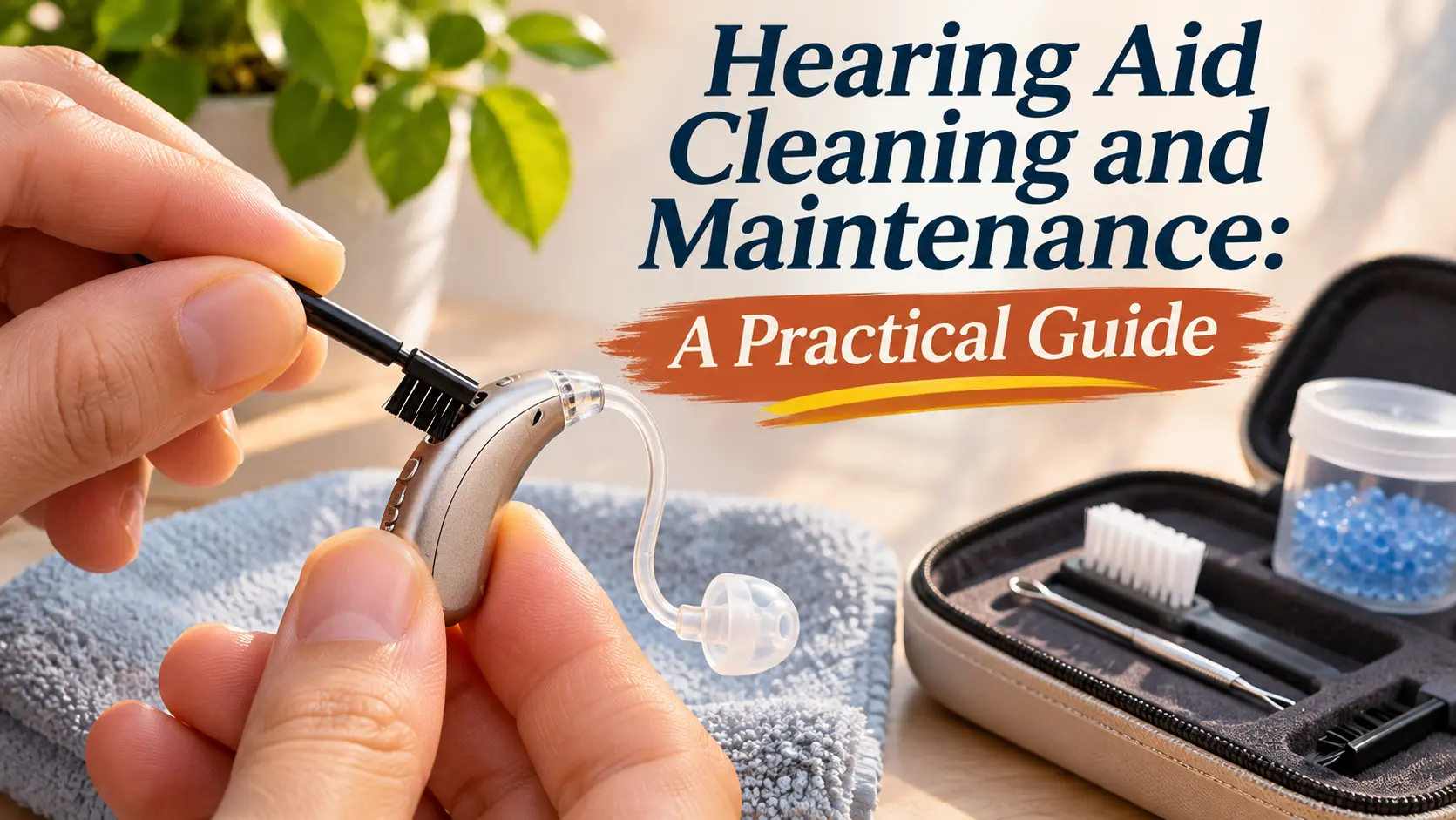
Regular care can help hearing aids work reliably and reduce interruptions from wax, moisture, or blocked openings. Cleaning instructions differ between models, so the manufacturer’s guide and hearing-care professional should take precedence over generic advice. Hearing devices should never be rinsed or submerged unless the specific product is designed for it.
A safe daily routine
Wash and dry your hands, wipe the device with the recommended cloth, and check the microphone openings and sound outlet for debris. Use only the brush or cleaning tools supplied or approved for the model. Remove the device before showering or swimming unless it is explicitly designed for that use.
Moisture, wax and storage
Sweat, humidity, and earwax can affect performance. Store the device in its case and use a drying system only if approved for that model. Keep batteries and small parts away from children and pets. Do not use alcohol, household cleaners, sharp objects, or excessive heat to clean the device.
Signs that need a service check
Distorted sound, intermittent power, persistent feedback, a blocked receiver, or a sudden difference between ears should be checked. The hearing-care team may replace filters, domes, tubing, or other parts and confirm that the device remains appropriately programmed. New ear pain or discharge warrants medical assessment rather than device maintenance alone.
Frequently asked questions
Can I use water to clean a hearing aid? Usually no. Use the cleaning method recommended for the exact device; water may damage electronic components.
How often should filters be changed? Follow the manufacturer’s schedule and your clinician’s advice, because devices and wax production vary.
Do hearing aids need annual checks? Periodic review is useful to check fit, function, hearing changes, and whether settings still meet daily needs.
Explore our hearing assessment and otology consultation pages for more information about related care options. A clinician can advise whether either is appropriate based on the individual history and examination findings.